
Explore everything you need to know about vinyl windows—from frame construction and insulation performance to maintenance, lifespan, and the signs it’s time for replacement.
Home » Window 101 » Window Frame Types » Vinyl Windows
Vinyl windows are windows with frames made from uPVC (unplasticized polyvinyl chloride), a durable material engineered specifically for residential and commercial construction. Unlike traditional PVC used in plumbing, uPVC is formulated to provide long-term strength, excellent weather resistance, and thermal insulation without becoming brittle in cold temperatures.
Today, vinyl has become the most popular window frame material in Canada because it combines energy efficiency, durability, and affordability. Modern vinyl frames are designed with multiple internal chambers that improve insulation while keeping the frame lightweight and structurally stable.
Most premium vinyl windows also feature welded corners, integrated weatherstripping, and insulated glass units to help reduce heat loss and improve year-round comfort.
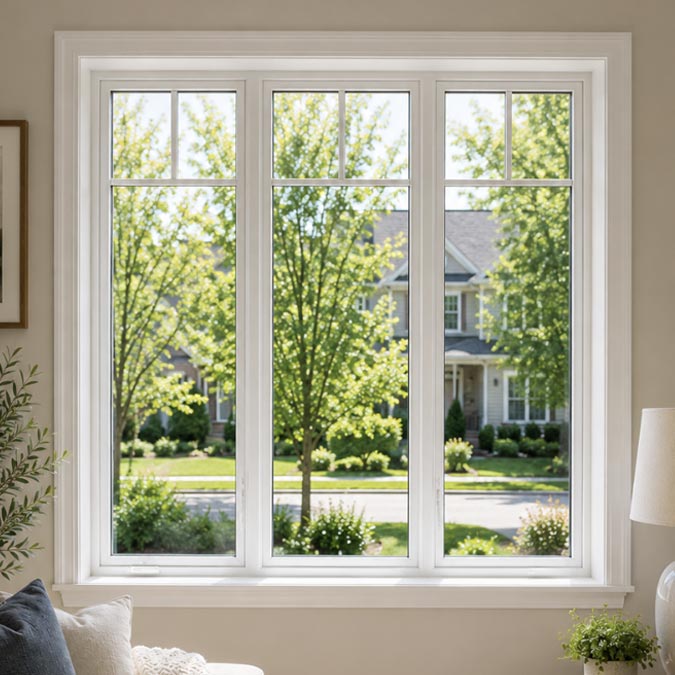
Canadian homeowners often choose vinyl windows because they deliver reliable performance in both extremely cold winters and warm summer months while requiring very little maintenance.
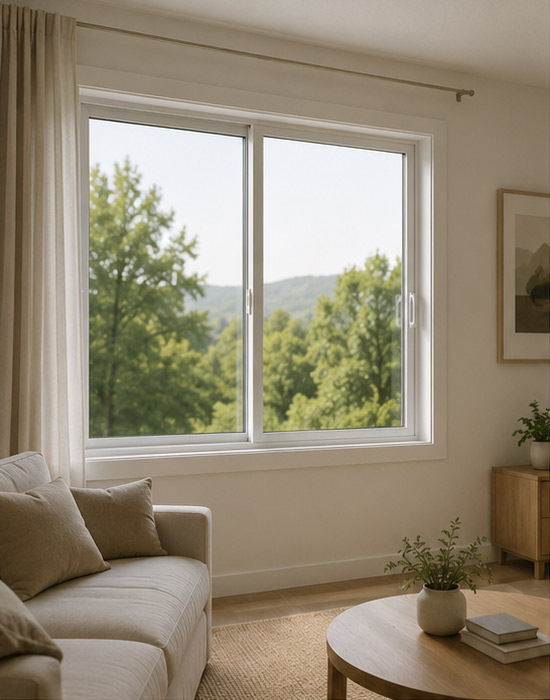
Vinyl is naturally a poor conductor of heat. Combined with multi-chamber frame construction, it helps reduce heat transfer and contributes to a more comfortable indoor environment.
Unlike wood, vinyl will not absorb moisture, rot, warp, or support mold growth. This makes it particularly well suited for Canada’s changing climate.
The colour is built directly into the material, so vinyl frames never need sanding, staining, or repainting. Occasional cleaning is usually all that’s required.
Vinyl windows offer one of the best balances between performance and price, making them an excellent option for both replacement projects and new construction.
Quality vinyl windows can provide decades of dependable performance while resisting corrosion, peeling, and many common weather-related issues.
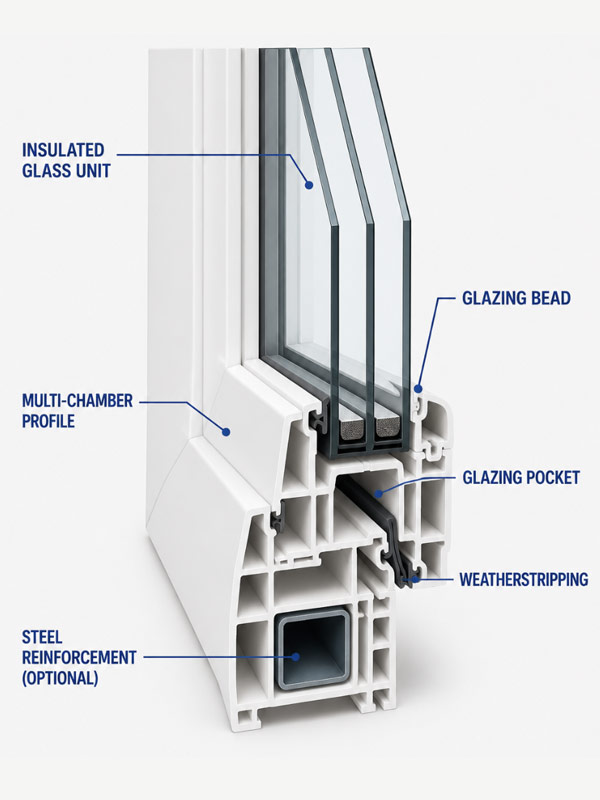
Although vinyl frames appear simple from the outside, they contain several engineered components that improve strength, insulation, and long-term performance.
Inside every frame are multiple hollow chambers. These air pockets slow heat transfer while increasing the rigidity of the frame without adding unnecessary weight.
Rather than being mechanically fastened together, premium vinyl frames are heat welded at each corner. This creates a strong, seamless joint that improves both durability and air tightness.
Larger window units may include galvanized steel or composite reinforcement inside selected frame sections to increase structural stability and reduce flexing.
Flexible weather seals are installed around the sash to minimize drafts, improve air tightness, and help keep moisture outside the home.
One of the biggest advantages of vinyl windows is their ability to reduce heat transfer through the window frame itself.
Unlike metal, vinyl has naturally low thermal conductivity. Combined with multi-chamber frame construction, tightly welded corners, and high-quality weatherstripping, this creates a more effective barrier against outdoor temperatures.
These design features help minimize drafts, improve indoor comfort, and reduce heating and cooling demands throughout the year.
While the frame plays an important role, overall window efficiency also depends on the glazing system, Low-E coatings, gas fills, and proper installation.
Vinyl windows are generally considered one of the most cost-effective window frame options available. While prices vary depending on the window size, style, glazing package, and installation requirements, vinyl offers an excellent balance between affordability, energy efficiency, and long-term durability.
While vinyl windows typically have a lower upfront cost than wood or premium aluminum systems, the total investment depends on the complete window configuration rather than the frame material alone. Homeowners should consider long-term energy savings, maintenance requirements, and expected lifespan when evaluating overall value.
| Factor | Impact on Price |
|---|---|
| Window size | Larger windows cost more |
| Window style | Casement and specialty windows are typically more expensive than sliders or fixed windows |
| Double vs. triple glazing | Triple-pane glass increases the overall cost |
| Custom sizes | Usually more expensive than standard dimensions |
| Installation complexity | Retrofit and structural modifications can increase labour costs |
One of the reasons vinyl windows have become so popular is that they require very little ongoing maintenance. With basic care, vinyl windows can continue operating smoothly for many years.
Simple maintenance checklist
Although vinyl windows offer many advantages, they may not be the perfect solution for every project.
These limitations are relatively minor for most residential applications and are often outweighed by vinyl’s durability, energy efficiency, and low maintenance requirements.
Vinyl windows are a versatile solution suitable for many different types of residential projects. Because they balance performance, durability, and cost, vinyl windows remain one of the most practical choices for most Canadian homeowners.
| Home Type | Why Vinyl Is a Good Choice |
|---|---|
| Detached homes | Excellent energy efficiency and long-term value |
| Townhouses | Affordable replacement option with minimal maintenance |
| Condominiums | Durable, weather-resistant, and easy to clean |
| Rental properties | Low maintenance helps reduce long-term ownership costs |
| New construction | Available in a wide variety of sizes, colours, and operating styles |
High-quality vinyl windows typically last 20 to 40 years, depending on product quality, installation, climate, and ongoing maintenance.
Factors that can influence lifespan include:
If windows become difficult to operate, develop persistent drafts, or show signs of seal failure between the glass panes, it may be time to consider replacement.
Find practical advice, comparisons, and expert resources to help you choose the right windows for your home.
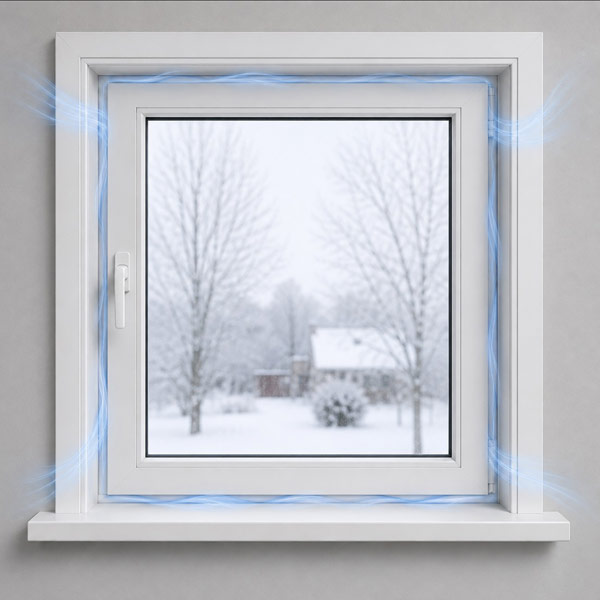
around the frame or sash, even when the window is fully closed
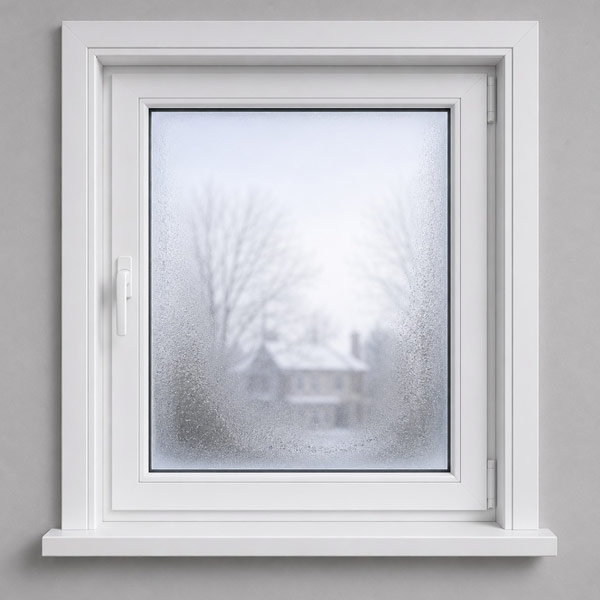
between the glass panes, indicating that the insulated glass seal has failed
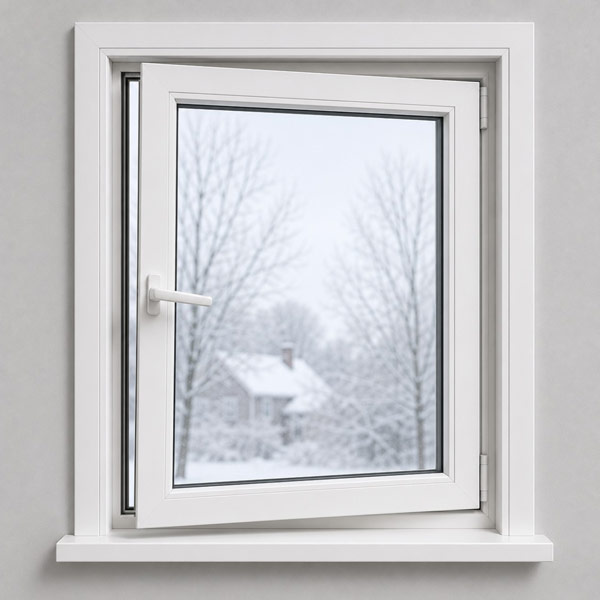
or locking the window due to worn hardware or frame distortion
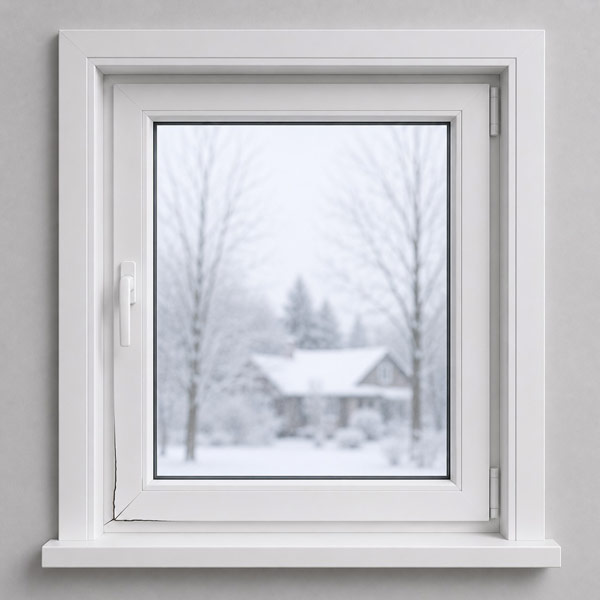
to the vinyl frame that affects performance or appearance
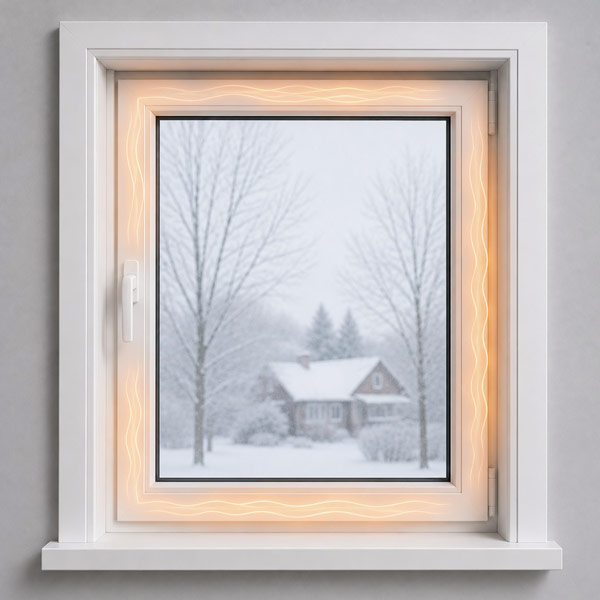
caused by reduced insulation and increased air leakage
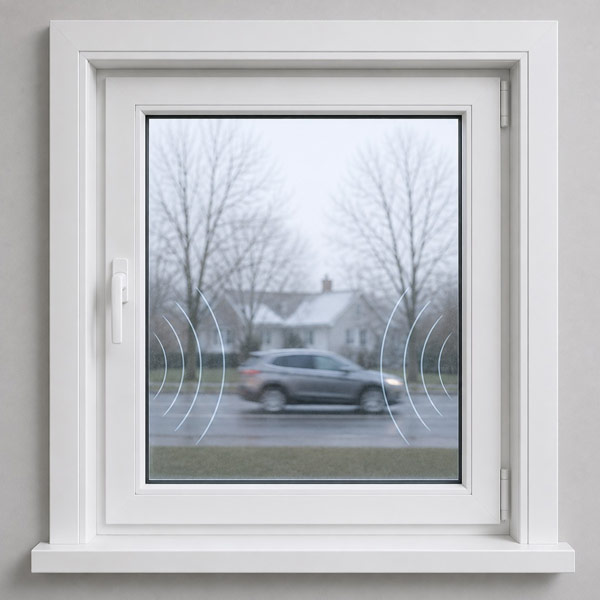
suggesting that the window is no longer insulating as effectively as it once did
Modern uPVC windows are engineered to withstand Canada’s winter temperatures without becoming brittle or cracking. Quality vinyl remains stable even during repeated freeze-thaw cycles when installed correctly.
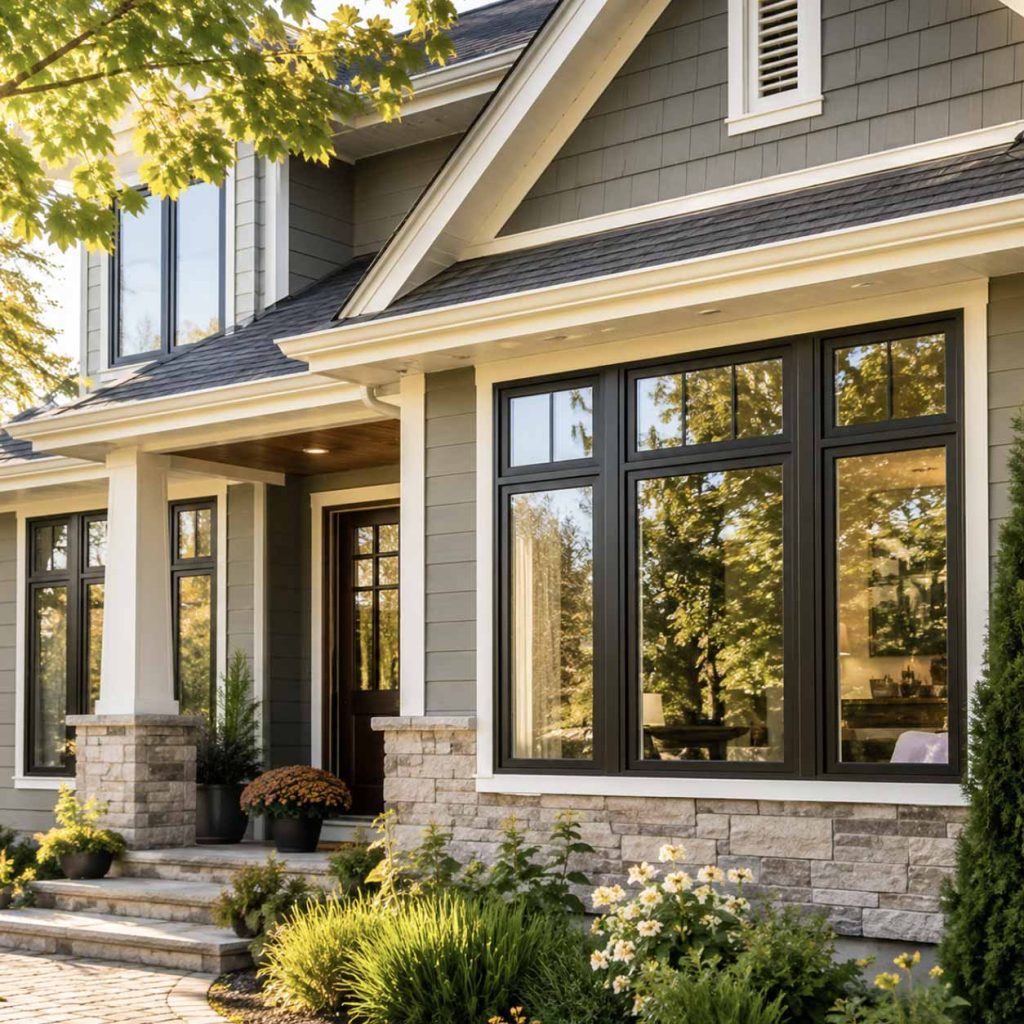
Yes. Black vinyl windows are popular in contemporary home designs and are available with durable factory-applied finishes that are designed to resist fading and weathering.
Replacing old windows with modern vinyl units can improve curb appeal, energy efficiency, and overall buyer appeal, making them a worthwhile investment for many homeowners.
Minor issues such as worn hardware or weatherstripping can often be repaired. However, cracked or severely warped vinyl frames usually require replacement because the material cannot be restored like wood.
Yes. Most manufacturers offer custom-made vinyl windows to fit existing openings, making them suitable for both renovation projects and new construction.
In addition to white, vinyl windows are available in a wide range of factory-finished colours, including black, grey, brown, and other popular exterior finishes. Available options vary by manufacturer.
Vinyl windows can be an environmentally responsible choice thanks to their long service life and energy-saving performance. Modern uPVC frames are recyclable, and their excellent insulating properties help reduce heating and cooling energy consumption throughout the life of the window. Many manufacturers also participate in recycling programs that recover vinyl from old windows for reuse in new building products.
Higher-quality vinyl windows typically use thicker uPVC profiles, more internal chambers, stronger reinforcement, premium hardware, and better weatherstripping. They also undergo stricter manufacturing and quality control processes. These features contribute to improved energy efficiency, smoother operation, longer lifespan, and better overall performance.