
Home » Window 101 » Types of Windows for Homes in Canada | Compare Popular Styles » Fixed Windows
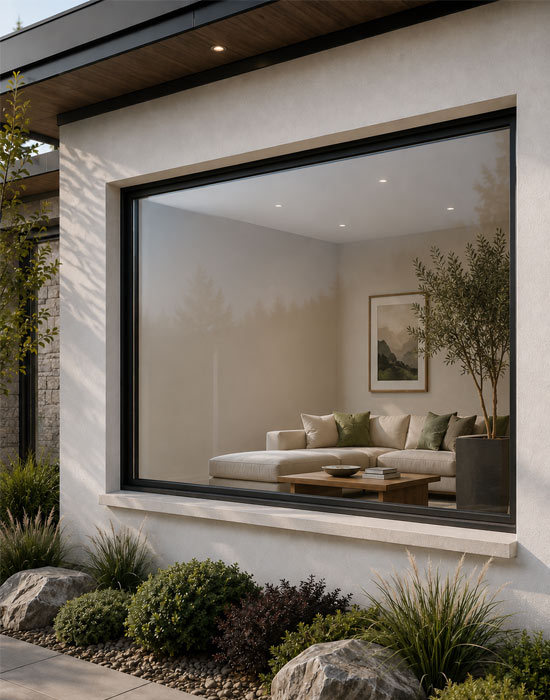
Fixed windows offer an exceptional combination of unobstructed views, abundant natural light, and superior energy efficiency. In Canadian residential properties, where maximizing solar heat gain during cold winters and maintaining airtight insulation are critical, fixed windows serve as a reliable architectural choice for modern and traditional homes alike.
Fixed windows are stationary window units that do not open, operate, or swing outward. Designed purely to let in light and frame outdoor views, these non-operational windows achieve an airtight seal because they lack movable sashes, hinges, or mechanical cranks.
Typically manufactured with high-performance vinyl, classic wood, or durable aluminum frames, these windows are engineered to deliver maximum thermal performance and structural integrity. Their immobile design makes them particularly effective for large picture window installations, high spaces, and architectural accent combinations.
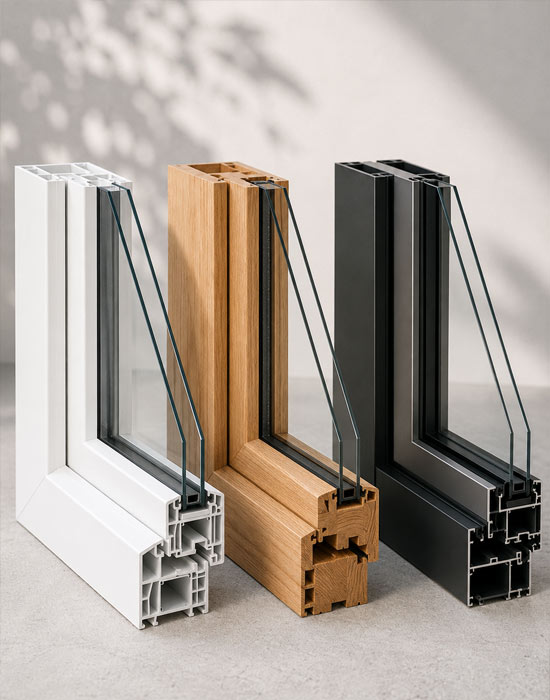
Vinyl Window – A top choice for fixed configurations, prized for cost-effectiveness and high thermal performance. It stays lightweight, resists humidity completely, and requires zero painting.
Wood Window – A high-end solution bringing organic warmth and timeless luxury. Regular upkeep rewards homeowners with a classic finish that significantly boosts property value.
Aluminum Window – Features high structural rigidity and ultra-slim sightlines, making it the preferred framing material for large, modern picture glass where maximum viewing area is required.
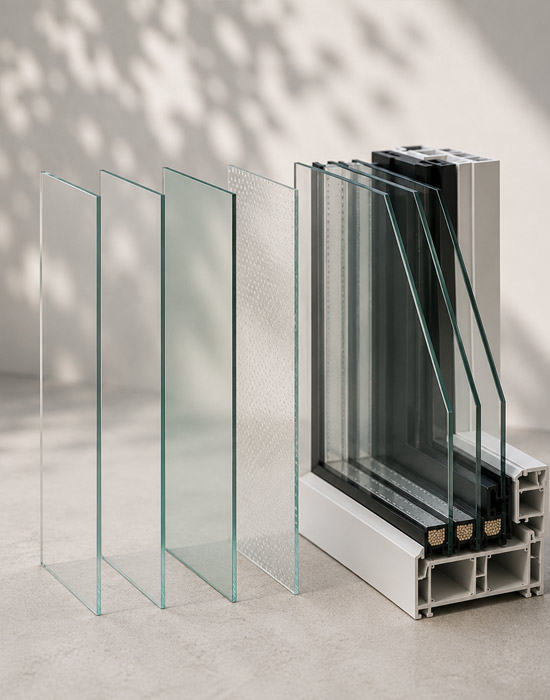
Multiple Pane Glazing – Dual or triple-layer glass assemblies designed to optimize thermal retention and minimize exterior noise for stationary picture windows.
Low-E Glass Coatings – Microscopically thin, transparent layers that reflect radiant heat back to its source, maintaining indoor comfort and reducing annual heating and cooling expenses.
Inert Gas Insulating Fills – Specialized Argon or Krypton gas sealed between glass panes to significantly slow down thermal transfer and boost overall insulation values.
Protective Security Films – Applied safety layers that block damaging UV rays from bleaching interior furnishings while adding extra structural resilience against impacts.
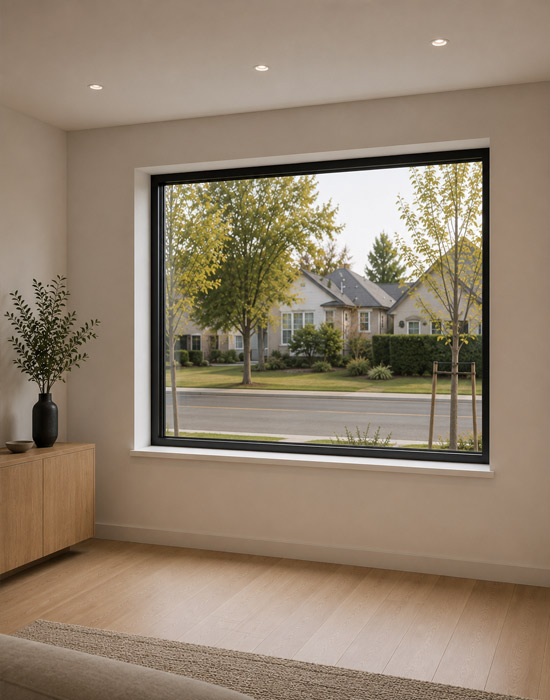
Living Rooms & Great Rooms – Installed as grand picture windows to frame scenic outdoor views and maximize natural sunlight in primary gathering spaces.
Stairwells & High Walls – Utilized in vertical architectural spaces to brighten dark structural areas safely without needing mechanical opening mechanisms.
Combination Window Walls – Positioned alongside operable casement or awning units to create expansive, balanced multi-window configurations across modern facades.
Pricing varies based on size, frame material, and the chosen glass configuration. Here’s a general cost guide:
| Window Type | Price Range (CAD) |
|---|---|
| Standard Vinyl (uPVC) | $450 – $950 |
| Wood Window | $900 – $2,200+ |
| Aluminum Window | $600 – $1,200+ |
| Installation Labour (per window) | $350 – $900 |
Reach out to a professional window provider. Share your structural goals, architectural preferences, and preferred frame materials for your new stationary glass units.
An installer visits your property to take precise rough opening measurements and evaluate structural load-bearing conditions around the window opening.
Choose your ideal frame material, finish, and high-performance glass package. Custom dimensions or geometric shapes typically require 3 to 6 weeks for manufacturing.
Standard fixed window configurations are processed swiftly, while custom orders enter specialized production to match your exact structural specifications.
The crew carefully removes the old window assemblies. They clear out the rough opening, position the new stationary window unit, level it precisely, and apply high-grade insulation foam and weatherproofing seals.
Installers secure interior casing trims, apply smooth exterior caulking to block moisture, and thoroughly inspect the airtight perimeter. You receive complete warranty documentation and care guidelines.
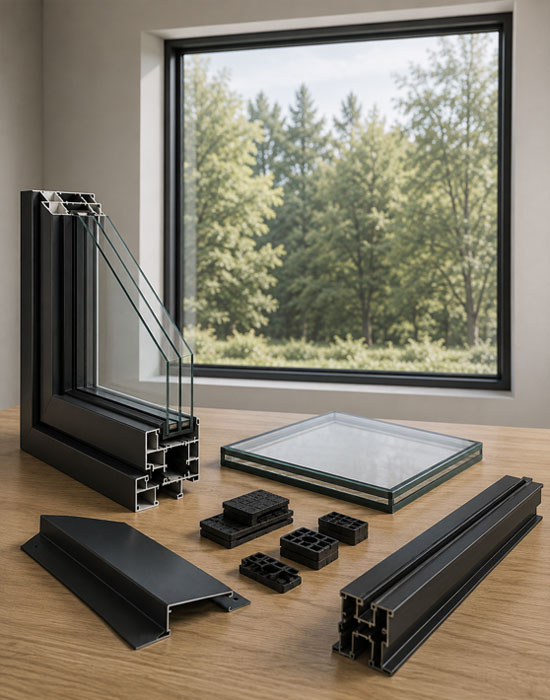
Because fixed windows are stationary units, their accessory requirements focus heavily on structural reinforcement, weather-sealing components, and aesthetic trim integration rather than mechanical opening parts:
Structural Mullion Bars – Heavy-duty reinforcement joints used when combining multiple fixed frames into expansive architectural window walls.
Concealed Setting Blocks – Specialized high-density support pads that evenly distribute the weight of heavy double or triple-pane glass units within the frame.
Exterior Aluminum Drip Caps – Weather-resistant flashing elements installed above the window opening to divert rainwater away from the frame head.
Architectural Trim & Casing Kits – Interior and exterior finishing moldings designed to create a seamless transition between the fixed glass and the building facade.
Fixed windows provide maximum daylight and unobstructed views without mechanical compromises—ideal for homeowners who want superior thermal insulation, tight weather seals, and reliable long-term performance. Contact your local window specialist today for an expert technical evaluation or structural project consultation.
| Installation Type | Description |
|---|---|
| Full Frame Replacement | Replaces the entire window frame, sill, and brickmould, ideal for upgrading thermal performance, fixing hidden wall rot, or changing window sizes. |
| Retrofit (Insert) Installation | Fits the new stationary window unit directly into the existing structural frame; a faster, less invasive, and more budget-friendly approach that preserves interior trim. |
Because stationary picture windows are designed to maximize natural light and maintain unbroken outdoor views, ensuring a flawless, weather-tight perimeter is vital. Opting for a full-frame replacement is the smartest choice if your current window pockets show signs of moisture intrusion, frame deterioration, or if you are redesigning the rough opening dimensions to let in more daylight.
Alternatively, if your existing framework remains completely solid, level, and well-sealed, an insert installation delivers a fast, cost-effective upgrade. This method minimizes disruption to your interior finishes while giving your living spaces a fresh, energy-efficient architectural update.
Now that you’ve explored the key aspects of home windows and what to consider before deciding, you’re better prepared to move forward. When you’re ready, check out our vendor directory to connect with local window experts who can help bring your project to life.
Keep learning — explore the most important topics to help you make the right call when the time comes.