Home » Window 101 » Window Replacement Cost Calculator
Replacing windows is a significant home investment, and the final price can vary widely depending on what you choose and how the windows are installed. Window style, size, frame material, glazing, finish, installation method, and local labour rates can all affect the cost.
This guide is designed to help you understand those differences before requesting quotes. Compare typical price ranges, use our Window Replacement Cost Calculator to estimate your project, and learn which choices can increase or reduce the final installed price.
Answer 7 simple questions to estimate the installed cost of replacing your windows in Canada.
Not sure? Choose Medium. Exact measurements can be confirmed during an on-site assessment.
Not sure? Full-frame replacement provides a more conservative estimate. An installer can confirm the appropriate method after inspecting the existing frame.
Professional installation is included in the estimated price shown below.
Choose the approximate number of windows in your project. No volume discount is applied.
Professional installation is included in this estimate.
This is a general market estimate for Canada, not a contractor quote. Final pricing may vary by manufacturer, exact dimensions, location, accessibility, structural conditions, trim, custom options, permits, and local labour rates. Taxes are not included.
Failing to understand what drives window replacement costs can lead to overspending, poor performance, or choosing a product that doesn’t suit your home.
It’s no secret that every sales team aims to maximize profit — and that’s perfectly fair when the product delivers real value. But it’s up to you to make sure what you’re paying for truly fits your needs and your home. You may not need every premium feature, and installing expensive wood-frame windows in the wrong context can be costly.
On the other hand, if you own a premium-class home, installing mid-range or budget-grade windows may reduce its value and appeal. In that case, choosing the highest-quality materials is not just a preference — it’s a necessity.

Failing to understand what drives window replacement costs can lead to overspending, poor performance, or choosing a product that doesn’t suit your home. It’s no secret that every sales team aims to maximize profit — and that’s perfectly fair when the product delivers real value. But it’s up to you to make sure what you’re paying for truly fits your needs and your home. You may not need every premium feature, and installing expensive wood-frame windows in the wrong context can be costly.
On the other hand, if you own a premium-class home, installing mid-range or budget-grade windows may reduce its value and appeal. In that case, choosing the highest-quality materials is not just a preference — it’s a necessity.

Faster, less invasive, reuses frame
+$150–$250 per window
It is less invasive and more affordable. It keeps the existing window frame in place and installs the new unit within it. This method is faster and less expensive, but it is not always the right choice, especially if your existing frames are damaged or poorly insulated.

Full-frame replacement, better insulation
+$350–$600 per window
Involves completely removing the old window, including the frame and surrounding components, and installing a brand-new unit. This offers better insulation and a more reliable seal but comes with significantly higher labour and material costs.
Choosing the wrong method for your home may lead to poor performance, moisture problems, or higher energy bills down the line. Always evaluate both the condition of your existing frames and your long-term goals before deciding.
Your new window frame material choice directly affects the unit price and long-term maintenance costs. Some materials are cheaper upfront but may wear out faster or require more upkeep over time. Others cost more but last longer and perform better in certain climates.
Choosing the right material depends on your home’s design, local climate, and how much maintenance you’re willing to manage over the years.

$350–$700 per window
Vinyl is the most affordable and popular material in Canada. It’s low maintenance, energy-efficient, and suitable for most home types.

$800–$1,500 per window
Wood offers a classic look and excellent insulation, but it requires regular upkeep and is priced at the high end.

$500–$950 per window
Aluminum is strong, sleek, and ideal for modern designs, but it is not as efficient in cold climates unless thermally broken.
| Window Type | Vinyl Frame | Aluminum Frame | Wood Frame |
|---|---|---|---|
| Awning Window | $500 – $900 | $600 – $1,500 | $800 – $1,800 |
| Casement Window | $600 – $1,000 | $600 – $1,500 | $800 – $1,800 |
| Slider Window | $400 – $800 | $600 – $1,500 | $800 – $1,800 |
| Hung Window | $400 – $850 | $600 – $1,500 | $800 – $1,800 |
| Bay & Bow Window | $2,500 – $5,000 | $3,500 – $7,000 | $4,000 – $8,000 |
| Picture Window | $350 – $750 | $600 – $1,500 | $800 – $1,800 |
| Tilt and Turn Window | $900 – $1,400 | $900 – $2,000 | $1,300 – $2,500 |
| Architectural Window | $800 – $3,000+ | $800 – $4,000 | $1,200 – $5,000 |
The design and operation of each window type play a role in its pricing. Simpler styles, like sliders and hung windows, are more affordable and widely used in standard builds. More advanced styles — such as casement, tilt-and-turn, or bay windows — cost more due to added hardware, installation complexity, or custom sizing.
The right style depends not only on appearance but also on how much ventilation, light, and visibility each room requires. Here’s what to expect in terms of style-based pricing:
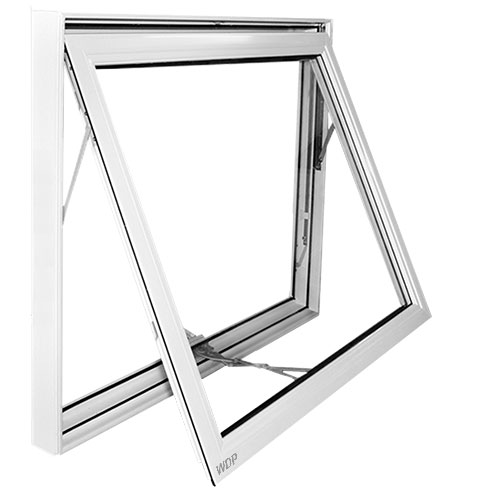
$500–$900
Hinged at the top and opens outward from the bottom
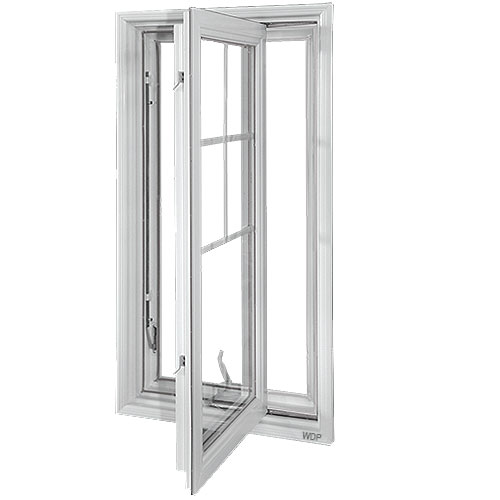
$600–$1,000
Side-hinged with a crank that opens outward
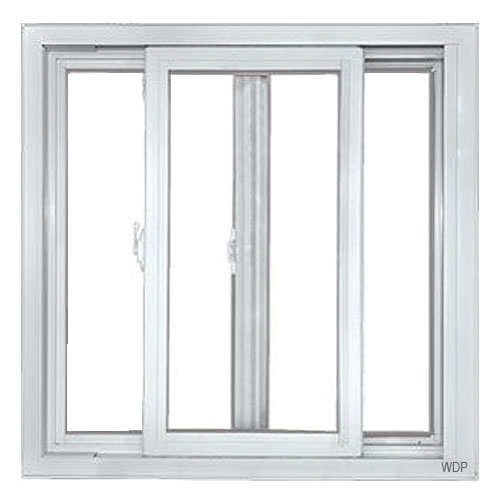
$400–$800
Opens horizontally along a track
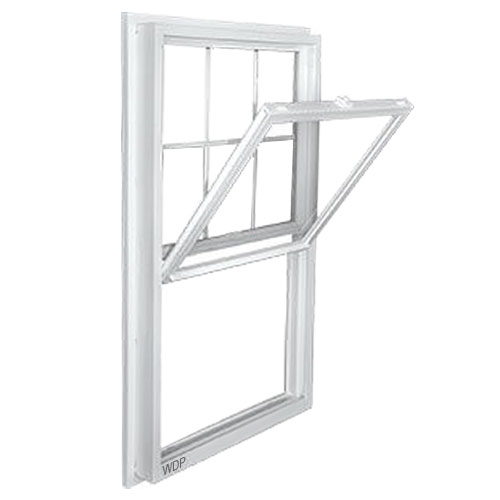
$400–$850
Vertical sliding sash (single or double)
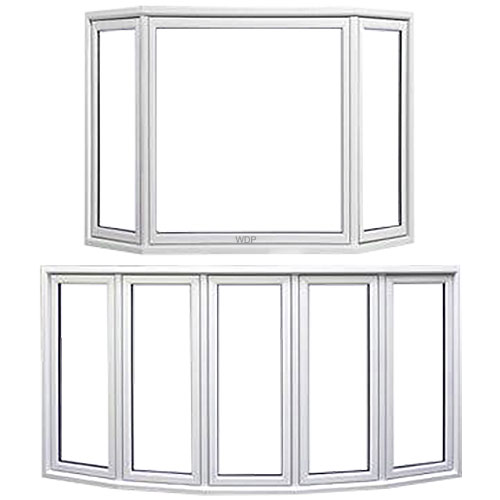
$2500–$5000
Multi-panel units that project outward
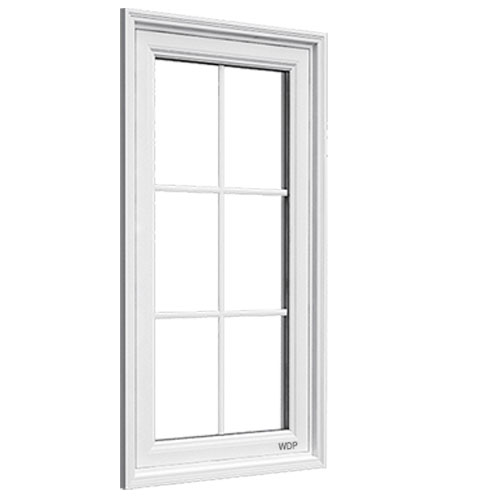
$350–$750
Fixed window that doesn’t open, used for views and light
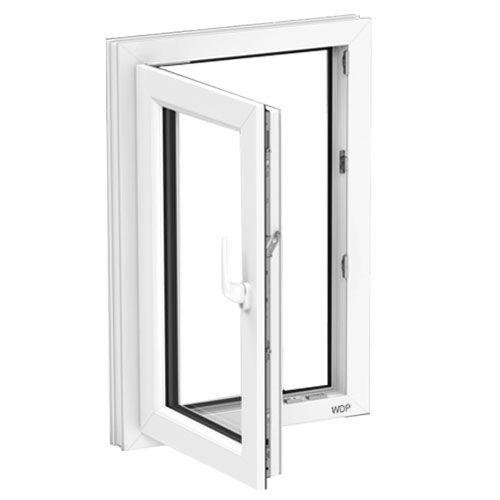
$900–$1,400
Opens inward with a dual-function tilt or swing mode
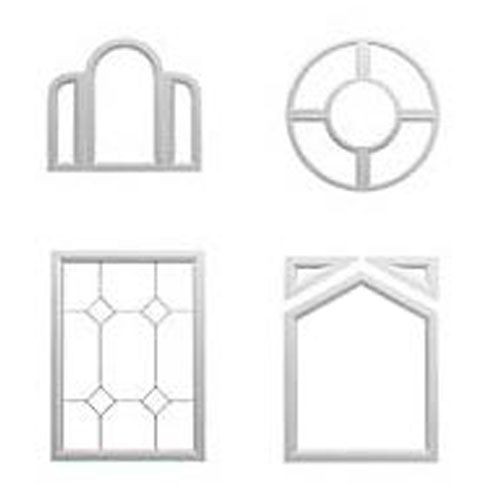
$800–$3,000+
Custom shapes like arches, circles, triangles
These upgrades aren’t just about comfort — they directly affect the total cost of your window project. Depending on your climate and goals, some features may be essential, while others can be optional.
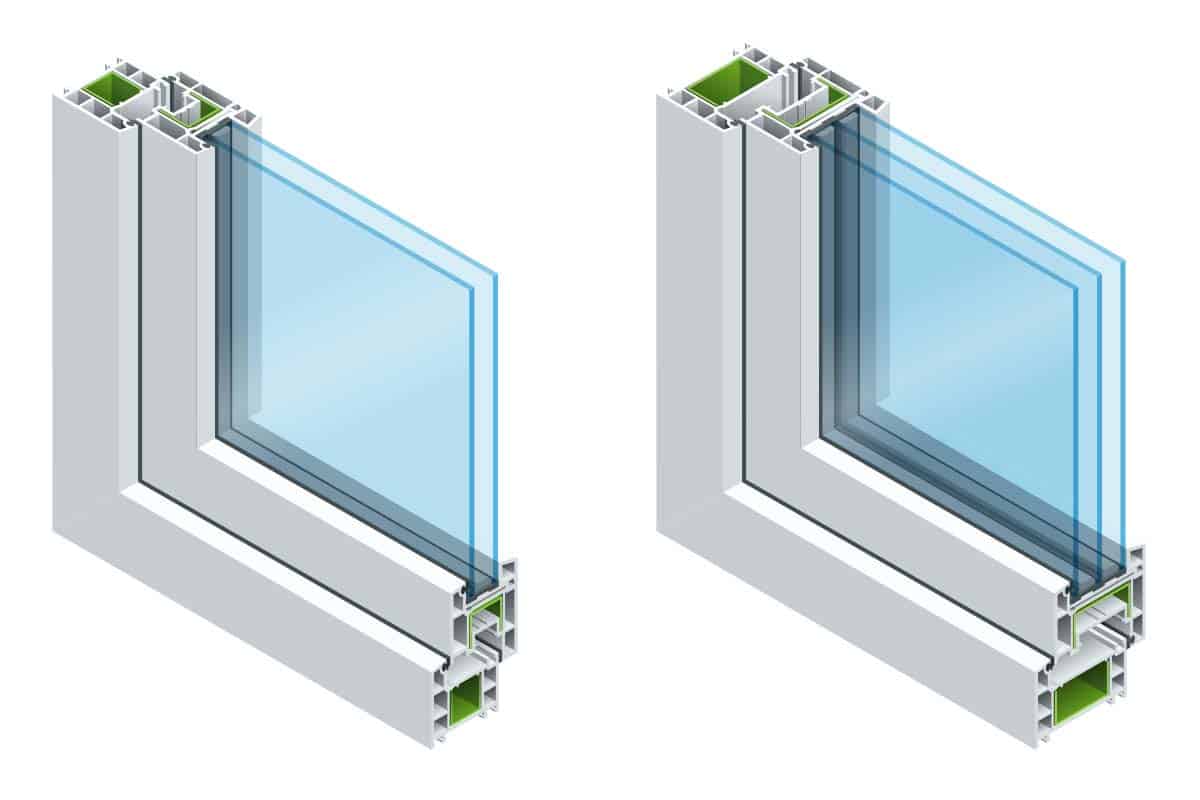
+ $100–$200 per window
Multi-pane windows are now considered a standard for energy-conscious homes. Double- and triple-pane designs include multiple glass layers that enhance insulation, reduce outside noise, and improve overall comfort. Each added pane increases the price, but also raises performance — especially in colder climates.
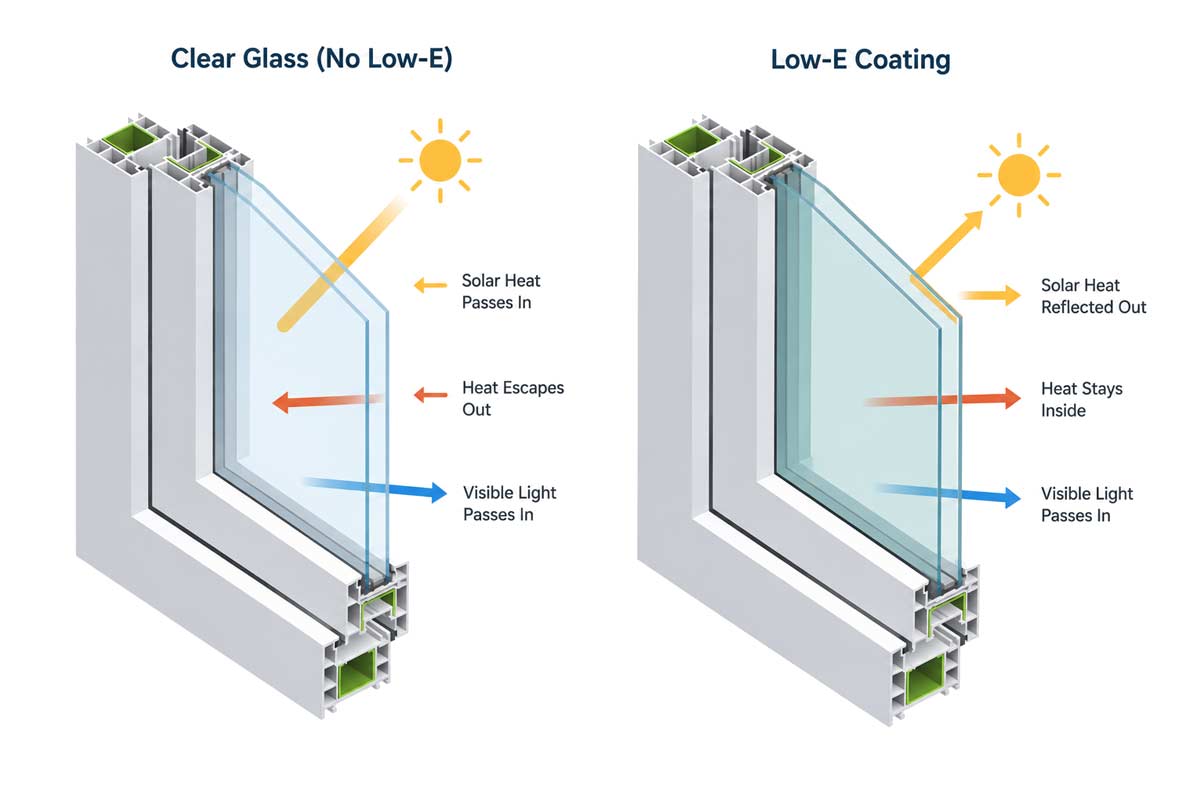
+ $50–$100 per window
Low-E (low-emissivity) coatings are thin, invisible layers applied to the glass surface that reflect infrared and UV light. This helps regulate indoor temperatures, protects furniture from fading, and lowers energy consumption. It’s a relatively low-cost upgrade with a strong long-term benefit.
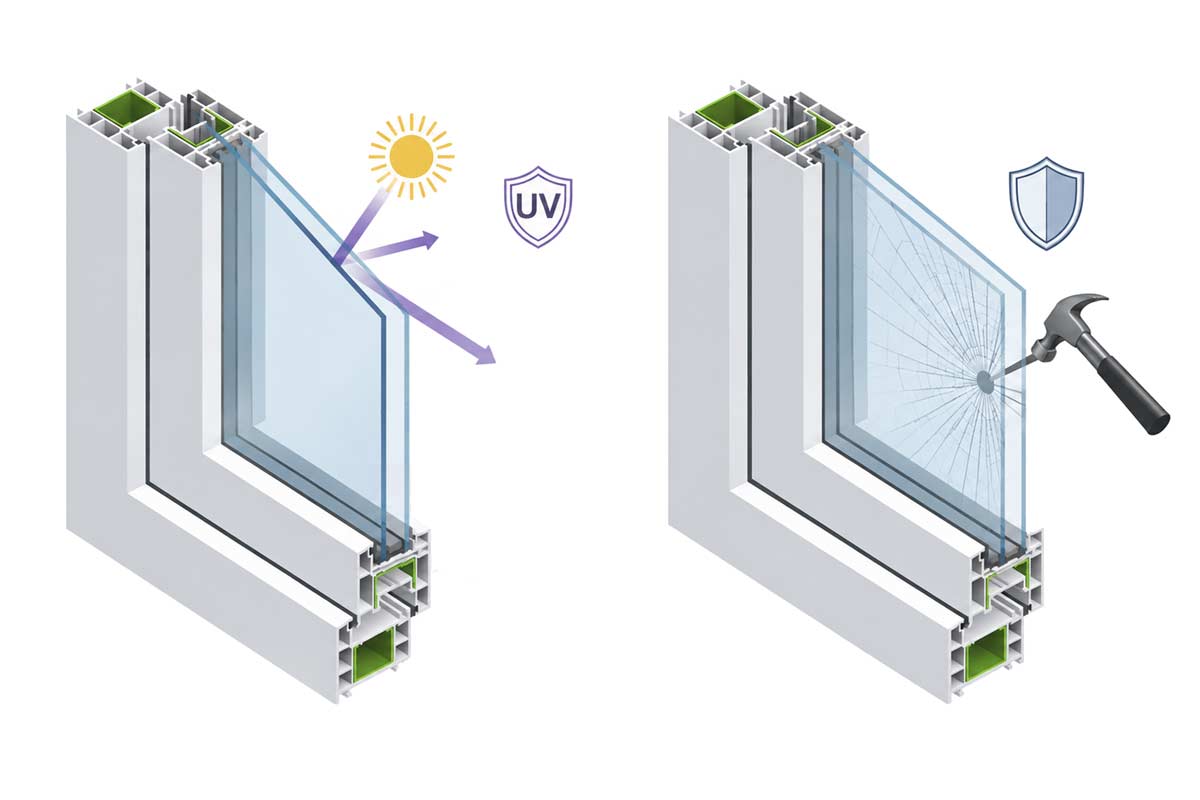
+ $50–$150 per window
These optional films are applied over the glass to block harmful UV rays and strengthen the window surface. UV films help prevent interior fading, while security films increase resistance to impact or break-ins. They are helpful in high-exposure areas or urban environments.
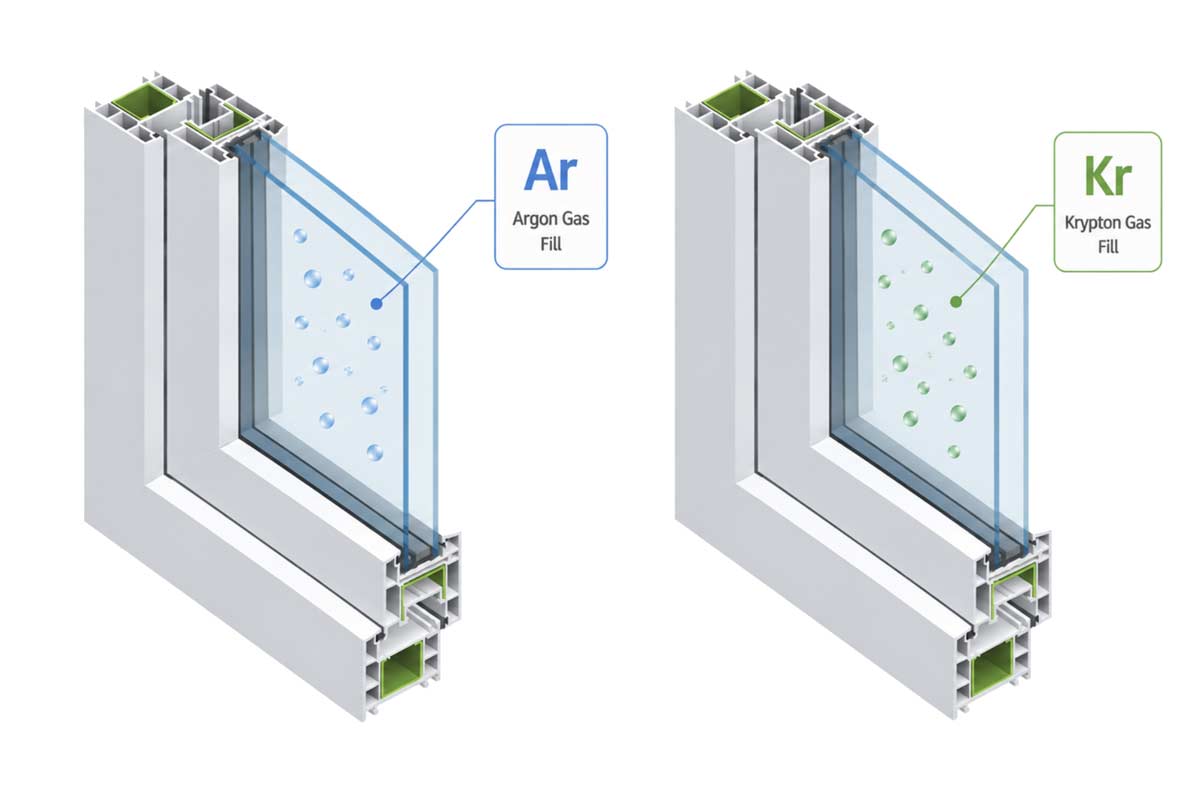
+ $40–$90 per window
Manufacturers can inject argon or krypton gas between each insulated glass pane to minimize heat transfer. Argon is more common and affordable; krypton offers higher performance but comes at a premium. These gases are non-toxic, invisible, and essential for maximizing energy efficiency.
The total number of windows in your project plays a major role in the final cost — not just because of materials but also installation logistics and production. Larger or unusually shaped windows typically cost more than standard units due to increased material, handling, and customization.
But quantity matters in another way too: if you’re replacing only one or two windows, many large installation companies won’t take the job. It’s common to see minimum project sizes — usually 5 to 7 windows — listed on their websites.
In that case, your options are limited:
Planning your window replacement as a full-home upgrade can unlock bulk pricing and reduce per-unit installation costs.
Window replacement pricing depends on the style you choose and the size of each unit. Below are typical installed price ranges by window type and dimension.
| Window Type | Small (15 – 25 sq ft) | Medium (25 – 40 sq ft) | Large (40 – 60 sq ft) | Extra Large (60+ sq ft) |
|---|---|---|---|---|
| Casement Window | $400 – $600 | $500 – $700 | $600 – $900 | $800 – $1,200 |
| Sliding Window | $300 – $500 | $400 – $600 | $500 – $800 | $700 – $1,000 |
| Picture Window | $500 – $700 | $600 – $900 | $800 – $1,200 | $1,000 – $1,500 |
| Double Hung | $300 – $500 | $400 – $600 | $500 – $800 | $700 – $1,000 |
| Bay & Bow Windows | $1,500 – $3,000 | $2,000 – $4,000 | $2,500 – $5,000 | $3,500 – $6,500 |
If your home is located outside a central urban area, be prepared for significantly higher installation costs — sometimes 30–50% more than city pricing. This is due to increased delivery distances, a limited pool of qualified installers, and reduced competition in your area.
In rural communities, it’s common for residents to support local contractors. While this helps local economies, it often leads to fewer options and higher pricing. Many installers in these areas are booked months in advance, and their rates may reflect demand and exclusivity.
If you’re not committed to hiring a neighbour simply because they’re local, consider contacting companies based in larger cities — even those located 100–200 km away. In cities, window companies face fierce competition and are often happy to take on full-home projects in surrounding areas.
Yes, travel and delivery costs will be factored into the quote, but the total price may still be much lower and have a shorter lead time. In some cases, this approach can save you 30–50% on the total cost and 3–6 months of waiting.
To estimate your total project cost, multiply the average price of your preferred window style and material by the number of windows in your home. Then, add installation costs and consider additional features like triple-pane glass, gas fills, or custom shapes.
For example, replacing 10 standard-sized vinyl windows with basic double-pane glass using retrofit installation may cost $6,000–$8,500. The same project using full-frame installation and triple-pane glass could easily exceed $12,000.
Your final cost will also depend on whether you choose entry-level or premium-grade products — and how complex the installation will be.
| Project Type | What’s Included | Estimated Total |
|---|---|---|
| Basic | Vinyl windows, double-pane, retrofit install | $600–$850 per window |
| Mid-Range | Vinyl or aluminum, Low-E glass, mix of styles | $850–$1,200 per window |
| Premium | Wood frames, triple-pane, full-frame install | $1,200–$2,000+ per window |
“To estimate your full project cost, multiply the average per-window price by your total number of windows.
Window replacement pricing depends on the style you choose and the size of each unit. Below are typical installed price ranges by window type and dimension.
Replacing all your windows at once often leads to lower per-unit pricing — especially on labor and delivery.
Don’t settle for the first offer. Pricing for the same project can vary by 20–40% depending on the company.
Triple-pane or gas-filled glass may not be needed everywhere. Apply high-performance options where they matter most.
Custom shapes, finishes, or designer hardware increase costs fast. Simpler choices can still look great and perform well.
Installers often offer lower pricing during off-peak months — typically late fall or early spring.
Some experienced installers can order windows in bulk with other clients’ projects, lowering your cost per unit.
Even with good intentions, many homeowners make avoidable mistakes that lead to higher costs, longer timelines, or disappointing results. Here are a few of the most common pitfalls — and how to avoid them:
The lowest quote isn’t always the best value. Cheap installs often cut corners on insulation, sealing, or material quality, leading to long-term issues.
Choosing retrofit installation when your existing frame is rotten, warped, or leaking can ruin even the best window. Know when full-frame is necessary.
Not every window needs triple-pane glass, noise-reduction film, or custom finishes. Understand what features offer actual value for your specific needs.
Windows — especially custom units — take time to manufacture and ship. Don’t assume next week's installation unless you're choosing in-stock models.
Some warranties only cover materials, not installation or labor. Ensure you understand what’s included and who’s responsible if something fails.
Now that you’ve explored the key aspects of home windows and what to consider before deciding, you’re better prepared to move forward. When you’re ready, check out our vendor directory to connect with local window experts who can help bring your project to life.
Keep learning — explore the most important topics to help you make the right call when the time comes.

Government rebate programs for window replacement in Canada have undergone their most significant shift in recent years.

This guide breaks down the window-shopping process in plain language so you can read quotes confidently and make an informed investment.
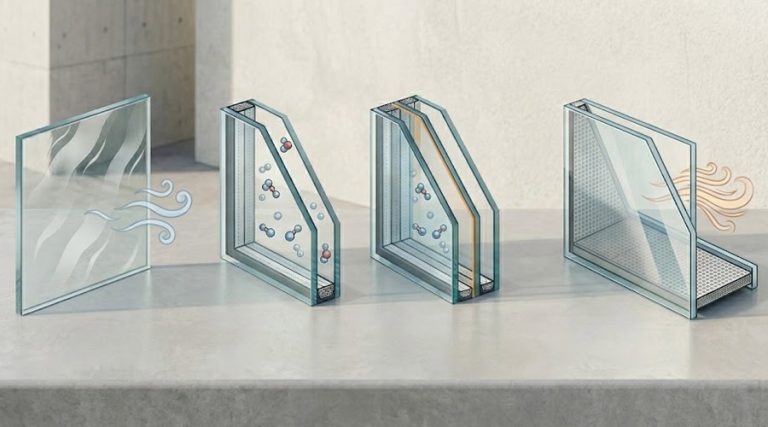
Discover the history and evolution of window glass. Learn how Canadian homes transitioned from drafty single panes to triple glazing.