
This guide explains how aluminum windows are engineered, what thermal breaks do, where aluminum performs best, and what homeowners should know about durability, maintenance, and long-term performance.
Home » Window 101 » Window Frame Types » Aluminium Windows
Aluminum windows are built using extruded aluminum frames that combine lightweight construction with exceptional structural strength. The frame supports insulated glass units while providing the rigidity needed for large window openings and narrow profiles.
Modern aluminum windows are very different from older systems installed several decades ago. Today’s products typically include insulated double- or triple-pane glass, advanced weatherstripping, durable powder-coated finishes, and thermally broken frames that significantly improve energy efficiency.
Because aluminum is naturally strong, manufacturers can design frames with thinner profiles than many other materials. This allows for larger glass surfaces, improved views, and a contemporary appearance that has become a defining feature of modern architecture.
Aluminum windows are widely used in both residential and commercial projects, particularly where clean lines, expansive glazing, and long-term durability are priorities.
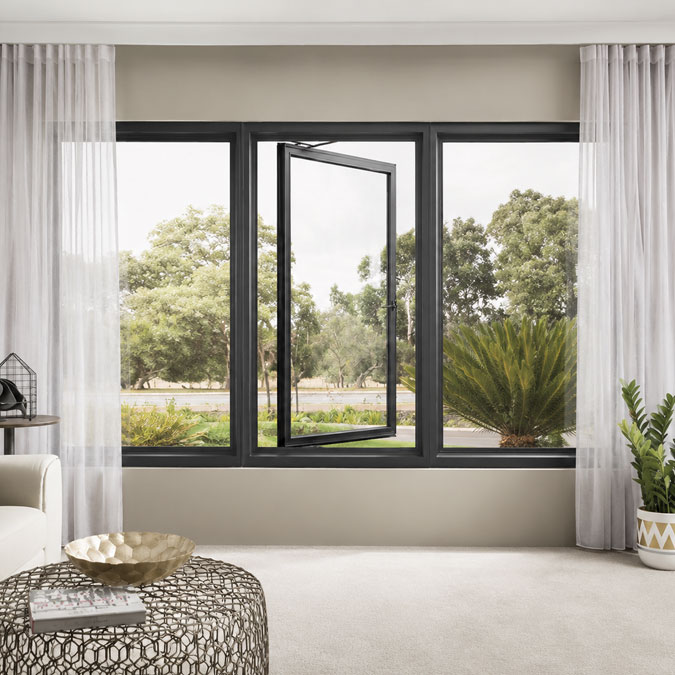
Aluminum windows are often selected for projects where design flexibility and structural performance are just as important as energy efficiency. Their unique properties make them especially well suited for contemporary architecture and buildings with large glazed areas.
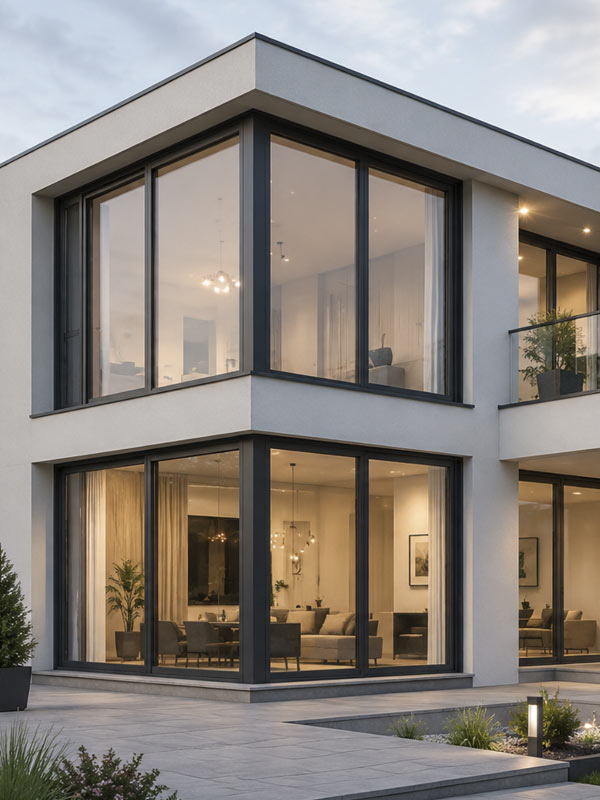
Aluminum has an excellent strength-to-weight ratio, allowing window frames to support large insulated glass units while maintaining structural stability. This makes aluminum an ideal choice for oversized windows and architectural designs that require expansive openings.
The inherent strength of aluminum allows manufacturers to produce narrow frame sections without sacrificing performance. Slim sightlines maximize the visible glass area, bringing more natural light into the home while creating a clean, minimalist appearance.
Aluminum windows complement contemporary homes with their crisp lines, refined finishes, and understated design. Their streamlined appearance pairs well with modern materials such as concrete, steel, stone, and large glass facades.
Because aluminum frames require less material for structural support, they can accommodate larger panes of glass than many traditional window systems. This creates uninterrupted views and helps blur the boundary between indoor and outdoor living spaces.
Modern aluminum windows are the result of advanced engineering and precision manufacturing. Every component is designed to maximize strength, durability, and long-term performance.
Window frames begin as aluminum billets that are heated and forced through specially designed dies. This extrusion process creates highly precise frame profiles with consistent dimensions, allowing manufacturers to produce complex shapes while maintaining excellent structural integrity.
The resulting profiles can be customized for different window styles, glazing systems, and performance requirements.
Despite being lightweight, aluminum provides outstanding rigidity. This strength allows window systems to support larger insulated glass units with minimal frame thickness, making aluminum particularly suitable for tall windows, wide openings, and commercial glazing applications.
Its dimensional stability also helps maintain smooth operation over time, even in demanding environments.
Most modern aluminum windows are finished using a durable powder-coating process rather than traditional paint. The powder is electrostatically applied and baked onto the metal, creating a hard, uniform surface that resists fading, chipping, scratching, and corrosion.
Powder-coated finishes are available in a wide range of standard and custom colors, allowing aluminum windows to complement virtually any architectural style.
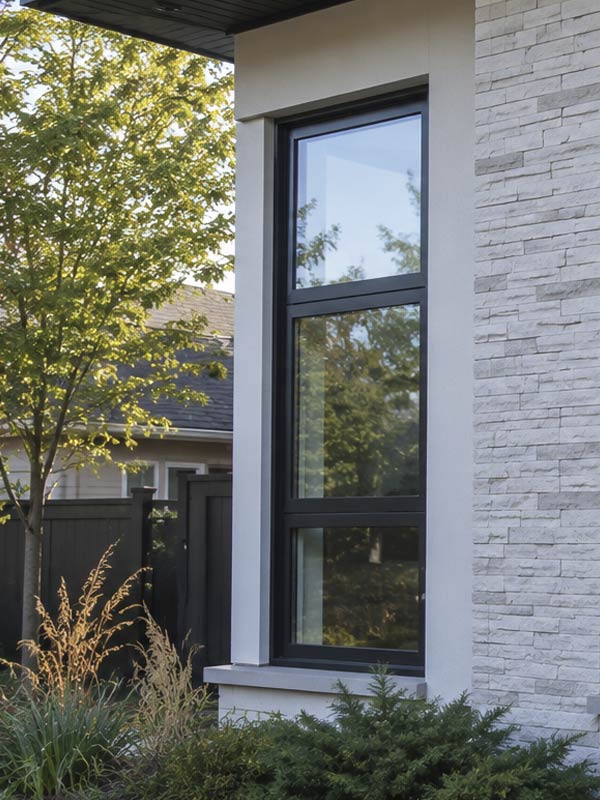
One of the most important innovations in modern aluminum windows is thermal break technology. Without it, aluminum’s high thermal conductivity would allow heat and cold to move quickly through the frame, reducing energy efficiency and increasing the risk of interior condensation.
A thermal break is an insulating barrier built directly into the frame. Instead of a continuous piece of metal connecting the inside and outside of the window, the aluminum sections are separated by a non-metallic material—typically reinforced polyamide—which dramatically reduces heat transfer.
This insulated section interrupts the flow of thermal energy while preserving the structural strength of the frame.
By reducing heat transfer through the frame, thermal breaks help keep indoor spaces warmer during winter and cooler during summer. They also improve overall window performance by working together with insulated glass units, Low-E coatings, and weatherstripping to reduce energy loss.
Why Older Aluminum Windows Feel Cold
Many older aluminum windows were manufactured without thermal breaks. Because the interior and exterior sections of the frame were directly connected, heat could move freely through the metal. This often resulted in cold interior frame surfaces, uncomfortable drafts near the window, and increased condensation during winter.
Today, thermally broken aluminum frames have become the industry standard for high-performance residential window systems, offering significantly better comfort and energy efficiency than earlier generations.
One of the biggest advantages of aluminum windows is their low maintenance. Unlike wood, aluminum does not require painting, staining, or sealing to protect the frame from weather exposure.
Aluminium Windows Routine care is generally limited to a few simple tasks:
With basic cleaning and occasional inspections, aluminum windows can maintain their appearance and performance for many years without significant upkeep.
Aluminum windows are widely used in projects that prioritize modern aesthetics, structural performance, and expansive glass areas. Their strength and clean appearance make them suitable for a variety of residential and commercial applications.
Aluminum is one of the most durable materials used for window frames. It does not warp, crack, swell, or rot when exposed to changing weather conditions, making it well suited for climates with significant temperature fluctuations.
Modern aluminum frames are protected by high-performance powder-coated finishes that resist fading, chipping, scratching, and corrosion. These finishes help preserve both appearance and structural integrity, even after years of exposure to sunlight, rain, and snow.
Unlike untreated steel, aluminum naturally forms a thin oxide layer that helps protect the underlying metal from corrosion. This makes it a reliable choice for many environments, including coastal regions where properly finished aluminum systems can provide excellent long-term performance.
While no window material is completely maintenance-free, aluminum is designed to withstand decades of everyday use with minimal deterioration.
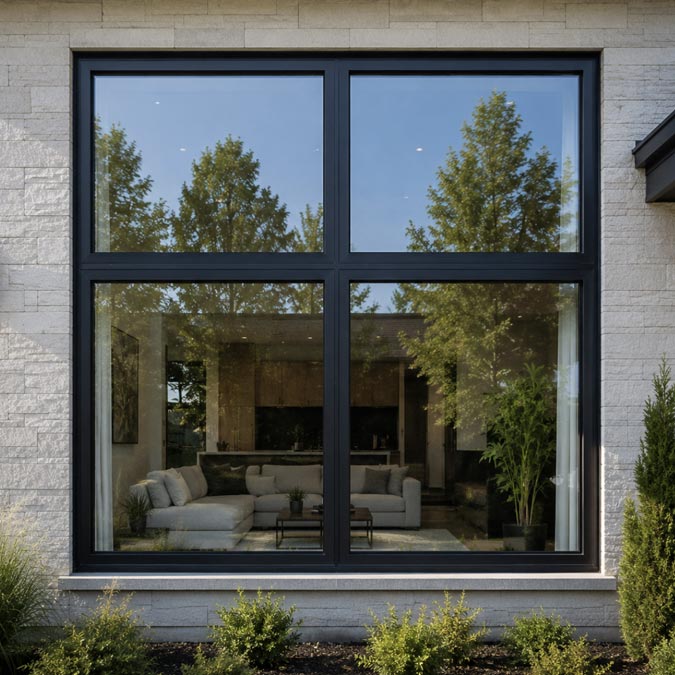
Find practical advice, comparisons, and expert resources to help you choose the right windows for your home.
Absolutely. While aluminum has long been used in commercial construction, thermally broken aluminum windows have become increasingly popular in modern residential architecture, especially for homes featuring large glass areas and contemporary designs.
No. Aluminum does not rust like steel. Instead, it naturally forms a protective oxide layer that helps resist corrosion. Modern powder-coated finishes provide additional protection against weather and environmental exposure.
Yes. One of aluminum’s greatest strengths is its ability to support large insulated glass units while maintaining slim frame profiles. This makes it ideal for oversized windows and panoramic views.
No. Most modern aluminum windows feature durable factory-applied powder-coated finishes that do not require repainting under normal conditions.