
Home » Window 101 » Types of Windows for Homes in Canada | Compare Popular Styles » Awning Windows
Awning windows offer an exceptional combination of weather protection, energy efficiency, and modern design. In Canada, where residential properties face extreme seasonal shifts, heavy rainfall, and freezing winters, awning windows have become a highly reliable architectural choice for maintaining consistent home ventilation without sacrificing thermal performance.
Awning windows are operable window units hinged at the top that swing outward from the bottom. Controlled by a smooth, manual rotating crank or a push-out lever system, the outward-opening sash acts as a protective canopy or “awning” over the window opening.
Typically manufactured with high-performance vinyl (uPVC), durable fiberglass, or classic aluminum-clad wood frames, these windows are engineered to allow fresh air circulation during rainy weather while keeping interior sills completely dry. Their design makes them particularly effective for wide, horizontal openings and high-moisture spaces.

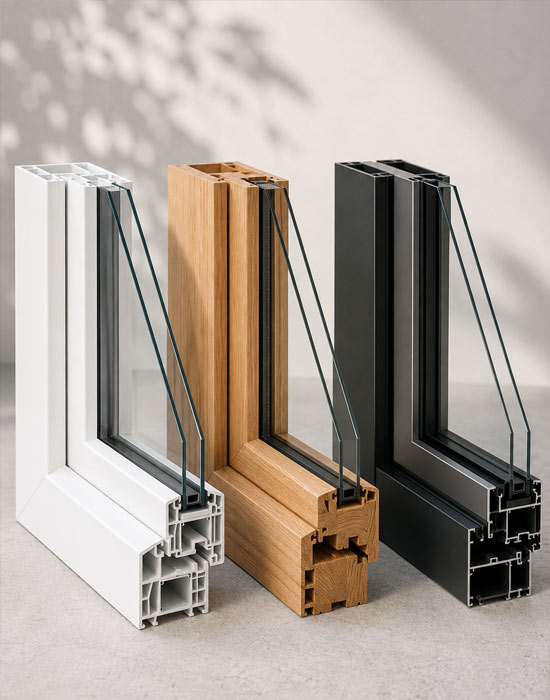
Vinyl Window – The most popular choice for awning systems due to its excellent energy efficiency and affordability. It is lightweight, does not require painting, and holds up exceptionally well against moisture, making it ideal for bathrooms and kitchens.
Wood Window – A premium option that offers natural beauty, timeless elegance, and superior insulation properties. When properly maintained, wood provides a classic aesthetic that enhances a home’s value.
Aluminum Window – Renowned for its structural strength and slim profile, allowing for thinner frames and larger glass areas. This is an ideal choice for modern architectural designs and locations requiring maximum durability.
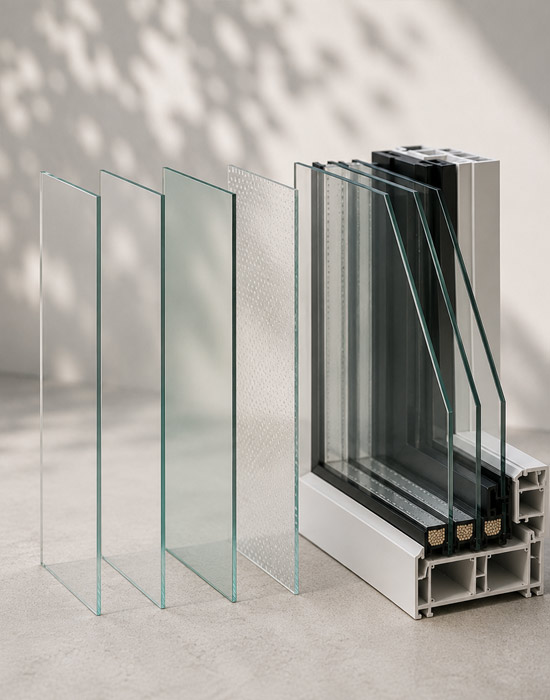
Multiple Pane Windows – Double or triple-pane units for superior thermal insulation and noise reduction.
Low-E Coating – Invisible layer that reflects heat, stabilizing indoor temperatures and cutting energy costs.
Argon or Krypton Gas – Inert gas fill between panes that acts as a high-performance insulating barrier.
UV & Security Film – Protects interiors from fading and adds extra impact resistance.

Kitchens & Bathrooms – Placed above sinks or counters, providing easy-crank ventilation and clearing high moisture quickly.
Basements – Installed high on the foundation wall to deliver safe airflow while blocking low-level ground debris and rain.
Combination Walls – Paired directly above or below large fixed picture windows to add draft-free cooling to main living areas.
Pricing varies based on size, frame material, and the chosen glass configuration. Here’s a general cost guide:
| Window Type | Price Range (CAD) |
|---|---|
| Standard Vinyl (uPVC) | $450 – $950 |
| Wood Window | $900 – $2,200+ |
| Aluminum Window | $600 – $1,200+ |
| Installation Labour (per window) | $350 – $900 |
Contact a professional window provider. Discuss your ventilation requirements, energy-efficiency goals, and desired frame materials.
An installer visits your property to take precise rough opening measurements, check structural framing conditions, and verify exterior swing clearance.
Select your preferred frame material, paint or stain finish, locking hardware, and energy-efficient glass package. Custom sizes typically require 3 to 6 weeks.
Standard awning window configurations are prepared quickly, while custom-ordered sizes and materials go into production to match your exact specifications.
The crew removes old window sashes and frames. They clean the rough opening, install the new awning window unit, level it, apply insulation foam, and add weatherproofing.
Installers mount interior casing trims, apply exterior caulking, put in the custom screens, and test the crank mechanism. You receive warranty details and maintenance tips.
High-quality functional hardware is essential for the smooth operation and structural security of any outward-opening awning window system. Most Canadian suppliers offer specialized, heavy-duty component packages specifically engineered to withstand wind loads and regular operation:
Easy-glide folding crank handles (to prevent interference with window blinds)
Heavy-duty dual-arm scissor operators for smooth, balanced sash control
Corrosion-resistant stainless steel hinges designed for coastal or high-humidity areas
Integrated multi-point locking levers that secure the window at multiple frame positions
Windows provide structural ventilation without compromise—ideal for homeowners who want superior weather protection, tight thermal seals, and reliable long-term performance. Contact your local window specialist today for an expert technical evaluation or structural project consultation.

| Installation Type | Description |
|---|---|
| Full Frame Replacement | Replaces the entire window frame, sash, and brickmould—ideal for upgrading energy efficiency or fixing hidden wall rot. |
| Retrofit (Insert) Installation | Fits the new window sash directly into the existing structural frame; a faster, less invasive, and more budget-friendly approach. |
Deciding between a full-frame replacement and a retrofit approach depends heavily on the current condition of your exterior structure and your long-term renovation goals. If your existing frames show signs of moisture damage, wood rot, or poor insulation, a full-frame upgrade is essential to secure the opening and maximize energy efficiency.
On the other hand, if your current wooden or vinyl structures remain completely solid and weather-tight, a retrofit installation offers a quicker, cleaner solution. This method preserves your interior trim and speeds up the replacement process, making it an efficient choice for updating functional awning windows without major wall disruption.
Now that you’ve explored the key aspects of home windows and what to consider before deciding, you’re better prepared to move forward. When you’re ready, check out our vendor directory to connect with local window experts who can help bring your project to life.
Keep learning — explore the most important topics to help you make the right call when the time comes.