Home » Door 101 » Patio Doors » Sliding Doors
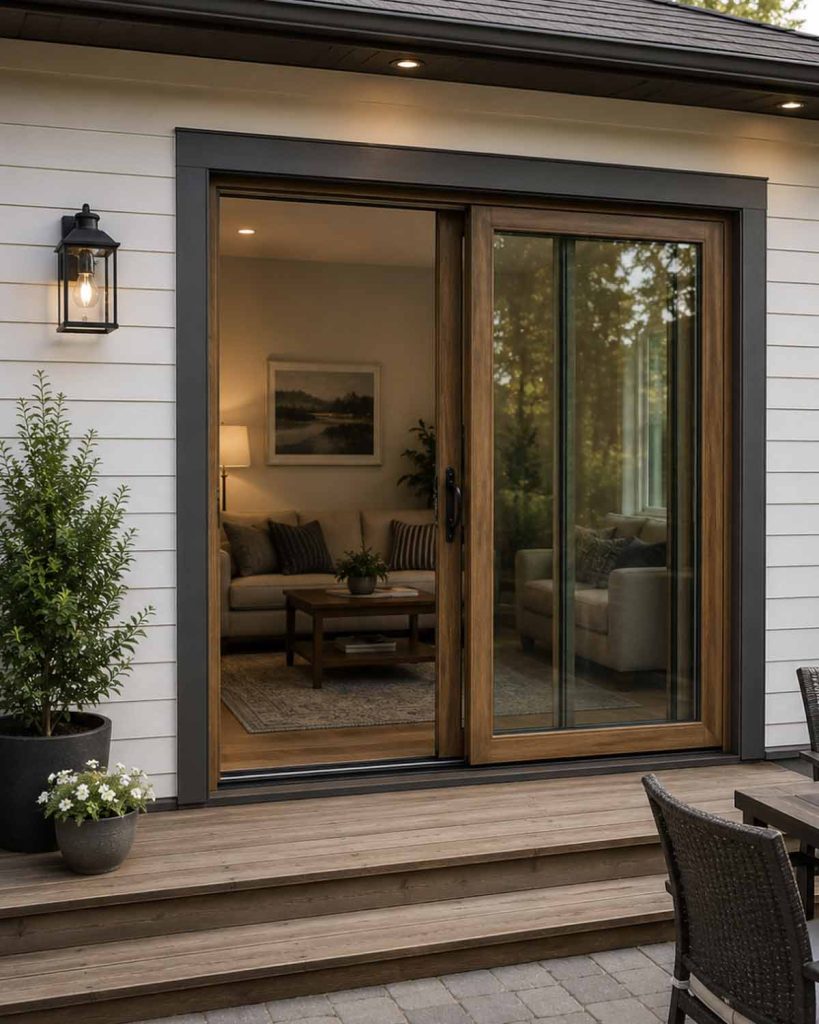
Sliding doors are a top choice for Canadian homeowners looking to maximize living space, flood rooms with natural light, and create a seamless transition to the outdoors. Their smooth horizontal operation, streamlined aesthetic, and advanced energy-efficient engineering make them an ideal solution for backyards, decks, and patio entries. This comprehensive guide walks you through everything you need to know about sliding doors—how they operate, the materials and glass packages available, and what to expect during a professional installation.
Sliding doors, often referred to as gliding or bypass doors, operate on a precision-engineered horizontal track system. Typically, one panel remains fixed and stationary, while the active panel glides effortlessly open and closed. Unlike traditional hinged or swinging doors, sliding doors require zero interior or exterior swing clearance, making them the ultimate space-saving choice for tight layouts.
Built with expansive glass panels, these doors offer unobstructed outdoor views while maximizing natural daylight throughout your home. Modern sliding doors designed for Canadian conditions feature heavy-duty weatherstripping, multi-point locking hardware, and high-performance insulated glass units (IGUs) to deliver both striking aesthetics and dependable thermal protection against harsh winters.
Space Saving — No swinging radius is needed, making them ideal for smaller rooms, tight hallways, or compact deck spaces where every square inch counts.
Unobstructed Views & Light — Large, expansive glass panels maximize natural daylight and provide wide, picturesque views of your backyard year-round.
Energy Efficiency — Modern Low-E coatings, multi-chambered insulated vinyl frames, and argon-filled glazing drastically improve thermal performance against harsh weather.
Smooth Operation — Advanced heavy-duty track systems and precision rollers ensure the active panel glides effortlessly without jamming or sagging over time.
Security Features — Integrated anti-lift blocks and robust multi-point locking mechanisms secure the frame tightly at several points to deliver reliable home protection.
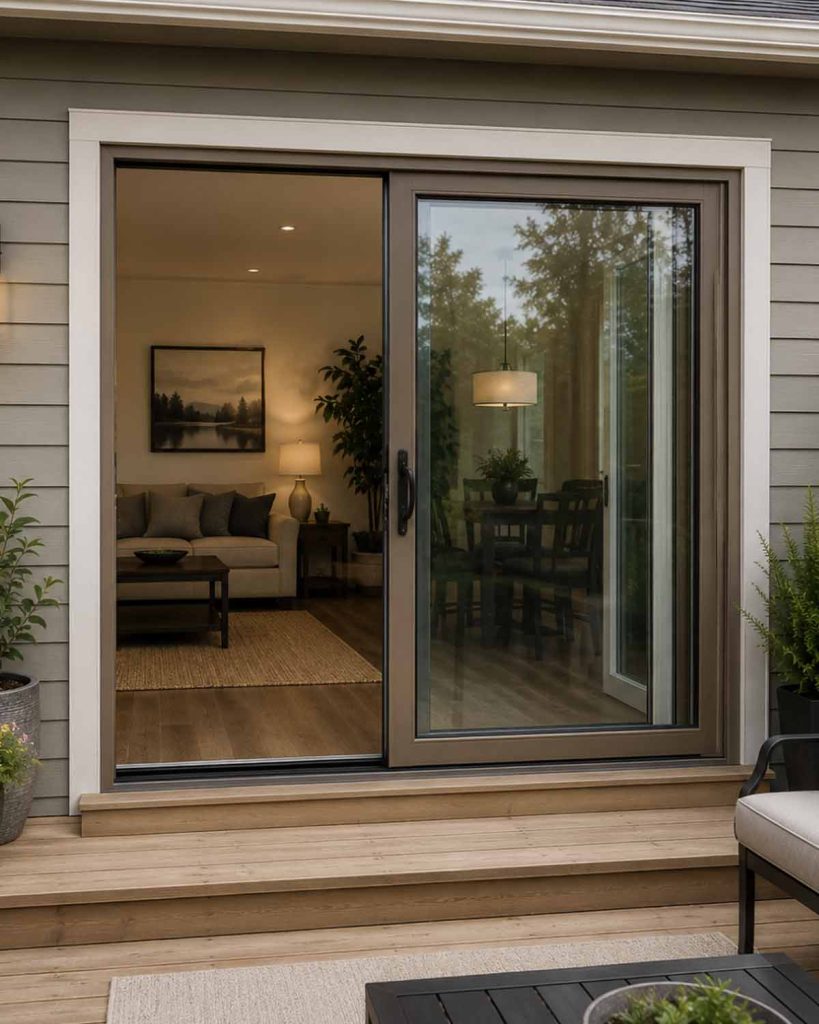
Choosing the right sliding door configuration depends heavily on your room layout, wall width, and how you want to connect your indoor living space to the outdoors. Modern manufacturing offers versatile layouts tailored to everything from compact urban apartments to expansive suburban homes.
| Type | Description |
|---|---|
| Standard Two-Panel | One fixed, one sliding panel—most common layout. |
| Three-Panel | Two stationary, one sliding panel for wider openings. |
| Four-Panel (OXXO) | Center panels slide open while side panels remain fixed. |
| Pocket Sliding Doors | Slide into wall cavity—ideal for minimal visual obstruction. |
| Lift-and-Slide Doors | European-style upgrade with improved sealing and smoothness. |
Selecting the proper system ensures not only aesthetic harmony with your architectural style but also long-term mechanical reliability, smooth day-to-day operation, and proper structural fit for your home.
The performance, thermal efficiency, and overall durability of your sliding doors depend heavily on the framing material you choose. Different materials react uniquely to Canada’s shifting seasonal temperatures, making it essential to balance aesthetics, maintenance, and climate resilience.
| Material | Features |
|---|---|
| Vinyl | Affordable, energy-efficient, low maintenance. |
| Aluminum | Sleek and durable, with narrow sightlines—best for modern styles. |
| Fiberglass | High strength and energy performance; withstands temperature extremes. |
| Wood-Clad | Wood interior with aluminum or vinyl exterior for premium aesthetics. |
Choosing the right material ensures your sliding doors will resist warping, maintain airtight seals against winter drafts, and complement your home’s exterior design for decades to come.
Planning your budget for a sliding door replacement requires looking beyond just the sticker price of the unit itself. Total expenses vary significantly depending on frame materials, glass pane packages (such as double or triple glazing for Canadian winters), structural dimensions, and professional installation complexity.
| Sliding Door Type | Price Range (CAD) |
|---|---|
| Standard Vinyl Sliding Door | $1,200 – $2,500 |
| Fiberglass or Aluminum Frame | $2,500 – $4,500 |
| Four-Panel or Oversized | $4,000 – $8,000+ |
| Custom Wood-Clad or Lift-Slide | $6,000 – $12,000+ |
| Installation Labour | $500 – $1,200 |
Keep in mind that unexpected variables such as hidden wall rot repairs, structural header modifications for wider openings, or premium multi-point hardware upgrades can influence your final project quote. Requesting detailed, itemized estimates from certified local professionals ensures you get transparent pricing tailored specifically to your home.
Replacing a sliding door is far more complex than simply swapping out a standard door. Because precise framing, insulation, and waterproof flashing are critical to preventing winter drafts and structural rot, the process requires expert hands from start to finish.
A door specialist visits your home to assess the rough opening, structural load-bearing requirements, floor levelness, and specific energy performance needs for your local climate.
You collaborate with your installer to choose the ideal dimensions, frame materials, double or triple glazing packages, hardware finishes, and optional features like integrated blinds or heavy-duty screens.
Standard stock sizes can be procured quickly, while custom-engineered units, oversized architectural glass, or specialized wood-clad finishes are custom-manufactured to fit your exact specifications (typically taking 3 to 6 weeks).
The installation crew carefully removes your old patio door, strips away worn exterior trim, inspects the rough sill for hidden moisture or structural rot, and cleans the opening completely.
The new sliding door frame is painstakingly shimmed, leveled, screwed into place, heavily insulated with low-expansion foam, and sealed with professional exterior flashing and weather-resistant barriers.
The installer adjusts the roller tracks for effortless gliding, tests the multi-point locks, ensures an airtight seal, cleans up all debris, and completes the interior and exterior trim work.
Sliding doors are increasingly popular in light commercial settings such as modern office boardrooms, restaurant and café patios, boutique hotel suites, and retail storefronts. Because these environments experience heavy daily traffic, commercial-grade systems utilize reinforced aluminum frames, high-cycle rollers, and thick laminated safety glass to withstand intensive use.
Ultimately, this heavy-duty engineering allows businesses to maximize natural light and create seamless indoor-outdoor access without ever compromising on daily security or structural durability.