
Home » Window 101 » Types of Windows for Homes in Canada | Compare Popular Styles » Tilt-and-Turn Windows
Tilt-and-turn windows offer an exceptional combination of versatile ventilation, high-end security, and modern European design. In Canada, where residential properties face extreme seasonal shifts, heavy snowfall, and freezing winters, tilt-and-turn windows have become a premier architectural choice for maintaining secure home airflow without sacrificing thermal performance.
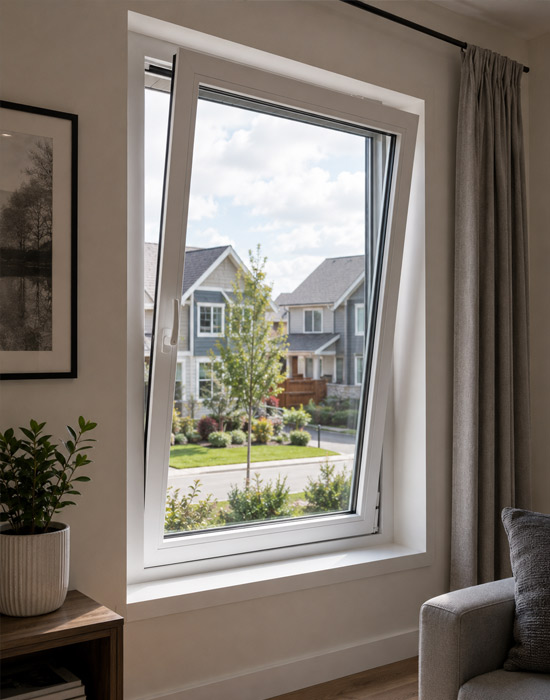
Tilt-and-turn windows are innovative, multi-functional window units engineered with a single handle that operates two distinct opening modes. Turning the handle ninety degrees tilts the top of the sash inward for secure, draft-free room ventilation. Turning the handle a full one hundred eighty degrees swings the entire sash inward like a traditional casement door for maximum airflow and easy glass cleaning.
Typically manufactured with high-performance vinyl (uPVC), durable fiberglass, or strong aluminum-clad wood frames, these windows deliver maximum structural integrity and exceptional resistance to harsh weather. Their dual-action hardware makes them particularly effective for multi-story residential buildings, bedrooms, and contemporary urban homes.
Dual-Action Ventilation – Tilt the top inward for gentle airflow, or swing the entire sash open for maximum breeze.
Superior Thermal Performance – Multi-point locking compression seals eliminate drafts during harsh winter months.
Safe Interior Cleaning – Inward-swinging sashes allow upper-floor glass to be washed safely from inside the room.
Enhanced Home Security – Multi-point locking hardware secures the sash across the entire frame perimeter.
Space-Saving Design – Inward operation avoids interference with exterior landscaping or outdoor living spaces.
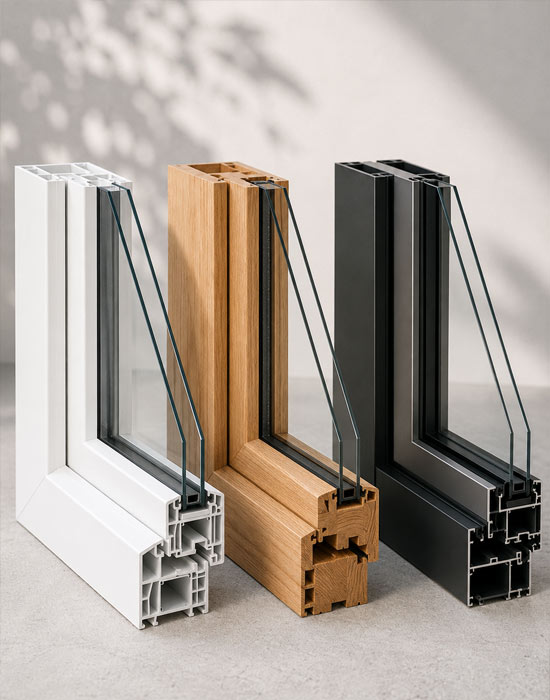
Vinyl Window – A popular, budget-friendly choice that offers great energy efficiency and requires zero painting. It handles high moisture effortlessly and holds up well against harsh elements.
Wood Window – A premium option that provides organic warmth, timeless elegance, and strong natural insulation. Regular maintenance ensures a high-end finish that elevates property appeal.
Aluminum Window – Known for exceptional structural rigidity and ultra-slim profiles, allowing for narrower frames and expansive glass areas suited for modern architectural designs.
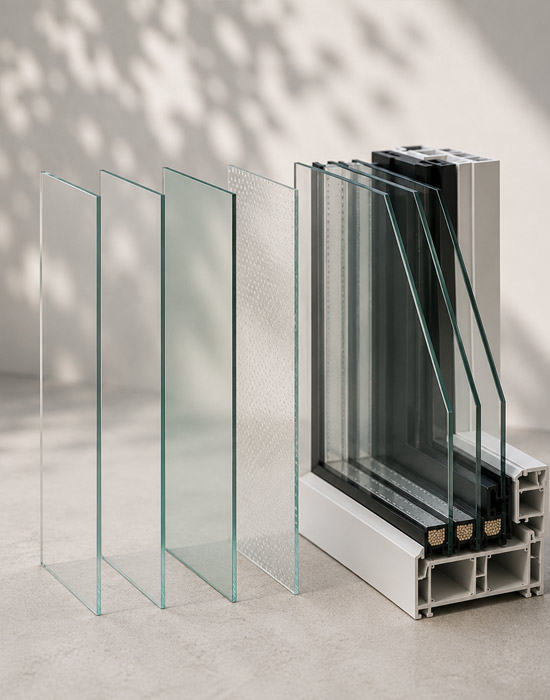
Multiple-Pane Glazing – Double or triple-layer glass configurations engineered to maximize thermal insulation and significantly reduce outdoor noise transmission.
Low-E Coatings – Microscopically thin, transparent layers that reflect radiant heat back toward its source, preserving indoor comfort and lowering utility bills.
Inert Gas Fills – Specialized Argon or Krypton gas safely sealed between glass panels to heavily decelerate thermal transfer and boost overall energy performance.
Protection Films – Safety layers designed to block harmful UV rays from fading interior furnishings and décor while offering added impact resistance.
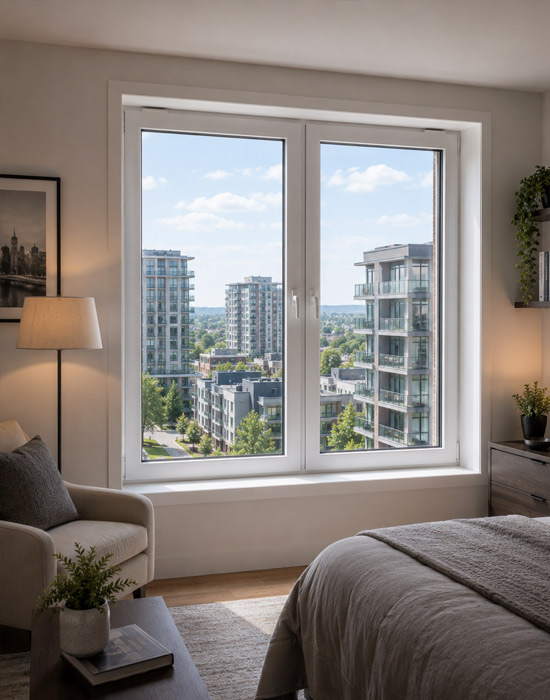
Bedrooms & Living Areas – Provides secure, night-safe ventilation by tilting open at the top while keeping the main opening locked against intruders.
Multi-Storey Apartments & Condos – Allows upper-floor residents to easily and safely clean exterior glass surfaces entirely from inside the building.
High-Moisture Spaces – Delivers rapid humidity clearance in kitchens and bathrooms through full inward-swing operation.
Pricing varies based on size, frame material, and the chosen glass configuration. Here’s a general cost guide:
| Window Type | Price Range (CAD) |
|---|---|
| Standard Vinyl (uPVC) | $600 – $1,200 |
| Wood Window | $1,100 – $2,500+ |
| Aluminum Window | $800 – $1,600 |
| Installation Labour (per window) | $350 – $900 |
Reach out to a knowledgeable window specialist to outline your ventilation goals, security requirements, and structural framing preferences.
A technician inspects your property to record exact rough opening dimensions, assess existing wall conditions, and confirm interior clearance for the inward swing.
Choose your ideal frame construction, custom dimensions, finishes, and high-performance glass glazing packages tailored to your project requirements.
Your custom window configuration enters production, undergoing precision engineering to match your exact architectural specifications.
The installation team carefully removes the old window assembly, preps the rough opening, secures and levels the new tilt-and-turn unit, and applies high-grade insulation and weather seals.
Installers complete finishing caulking and trim work, thoroughly clean the glass surfaces, test the complex multi-point handle mechanism, and review warranty documentation.
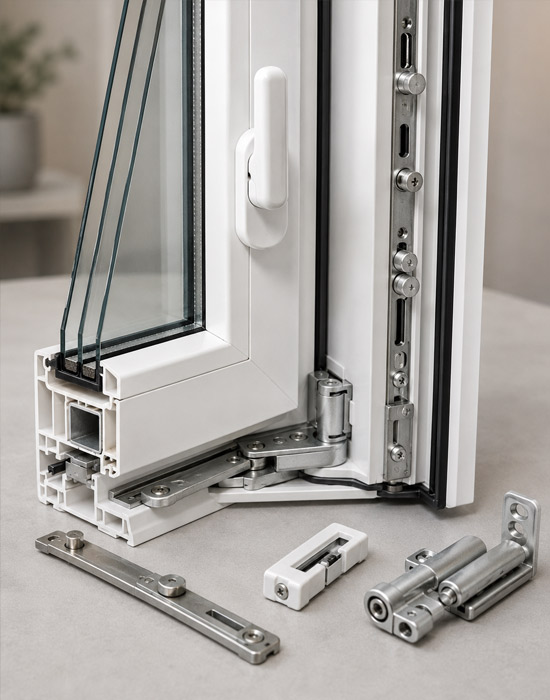
Because tilt-and-turn systems rely on complex mechanical gearing, high-quality functional hardware is essential for smooth daily operation:
Concealed Multi-Point Gearboxes – Heavy-duty internal corner drives and locking pins that secure the sash tightly against the frame at multiple contact points.
Ergonomic Operator Handles – Heavy-duty levers designed for smooth 180-degree rotation between locking, tilting, and turning modes.
Heavy-Duty Pivot Hinges – Robust bottom and corner hinges engineered to support the full weight of the swinging sash without sagging.
Tilt-Limiters & Safety Locks – Optional child-safety restrictors that limit the inward tilt angle while still allowing secure ventilation.
Tilt-and-turn windows deliver European-grade versatility and robust security, ideal for homeowners who want flexible ventilation, effortless maintenance, and reliable long-term performance. Contact your local window specialist today for a technical evaluation.
| Installation Type | Description |
|---|---|
| Full Frame Replacement | Swaps out the entire window system down to the rough opening, including the framing and brickmould; best for remedying hidden moisture damage or upgrading overall insulation. |
| Retrofit (Insert) Installation | Fits the new tilt-and-turn unit neatly inside your existing sound frame; a faster, cost-effective option that leaves interior trim completely untouched. |
Selecting the proper installation approach comes down to the current structural health of your window openings and your project objectives. If your existing frames display water damage, deterioration, or compromised insulation, a full-frame replacement is necessary to properly seal the rough opening and boost energy performance.
Conversely, if your current frame infrastructure remains structurally sound and weatherproof, a retrofit installation provides a streamlined, non-invasive alternative. This technique protects your existing interior trim and accelerates the upgrade timeline, making it a practical solution for refreshing multi-functional windows with minimal construction hassle.
Now that you’ve explored the key aspects of home windows and what to consider before deciding, you’re better prepared to move forward. When you’re ready, check out our vendor directory to connect with local window experts who can help bring your project to life.
Keep learning — explore the most important topics to help you make the right call when the time comes.