
Home » Window 101 » Types of Windows for Homes in Canada | Compare Popular Styles » Picture Windows
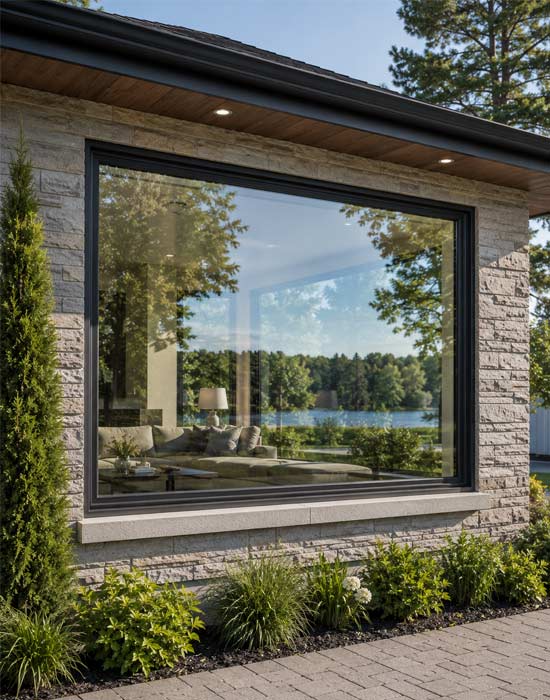
Picture windows offer an exceptional combination of unobstructed panoramic views, abundant natural light, and superior thermal performance. In Canada, where residential properties face extreme seasonal shifts, heavy snowfall, and freezing winters, fixed picture windows have become a premier architectural choice for maximizing daylight and energy efficiency without sacrificing insulation.
Picture windows are large, stationary window units engineered without opening sashes or moving hardware components. Because the glass pane is sealed directly into the main frame, these windows are completely airtight and designed strictly to frame outdoor scenery and flood interior living spaces with natural sunlight.
Typically manufactured with high-performance vinyl (uPVC), durable fiberglass, or strong aluminum-clad wood frames, these windows deliver maximum structural integrity and exceptional resistance to harsh weather. Their fixed design makes them particularly effective for wide openings, high ceilings, and combining with operable units for custom architectural layouts.
Unobstructed Views & Light – Fixed glass maximizes sightlines and floods living spaces with natural daylight.
Superior Energy Efficiency – Sealed frames eliminate air leaks and drafts during freezing winter months.
Maximum Architectural Flexibility – Available in large sizes or custom geometric shapes to serve as stunning focal points.
Low Maintenance & Longevity – Zero moving parts or hinges eliminate the risk of hardware wear over time.
Enhanced Home Security – Fixed panes cannot be pried open from the outside, adding security to ground-level rooms.
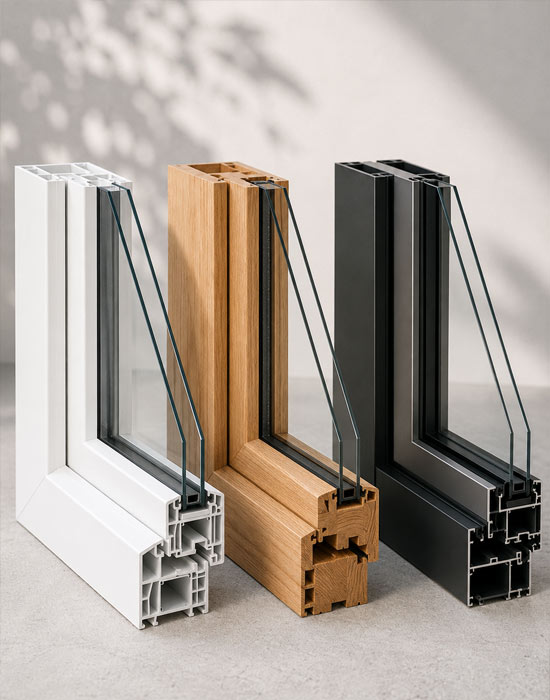
Vinyl Window – A popular, budget-friendly choice that offers great energy efficiency and requires zero painting. It handles high moisture effortlessly, making it ideal for large glass spans.
Wood Window – A premium option that provides organic warmth, timeless elegance, and strong natural insulation. Regular maintenance ensures a high-end finish that elevates property appeal.
Aluminum Window – Known for exceptional structural rigidity and ultra-slim profiles, allowing for narrower frames and expansive glass areas suited for modern architectural designs.
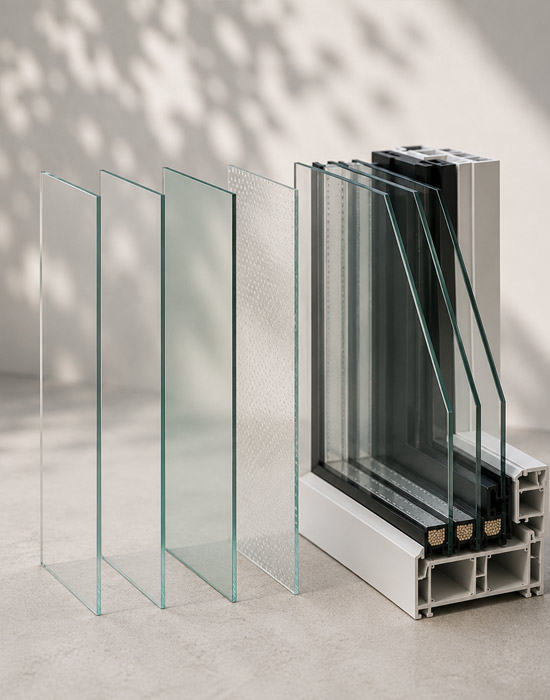
Multiple-Pane Glazing – Double or triple-layer glass configurations engineered to maximize thermal insulation and significantly reduce outdoor noise transmission.
Low-E Coatings – Microscopically thin, transparent layers that reflect radiant heat back toward its source, preserving indoor comfort and lowering utility bills.
Inert Gas Fills – Specialized Argon or Krypton gas safely sealed between glass panels to heavily decelerate thermal transfer and boost overall energy performance.
Protection Films – Safety layers designed to block harmful UV rays from fading interior furnishings and décor while offering added impact resistance.
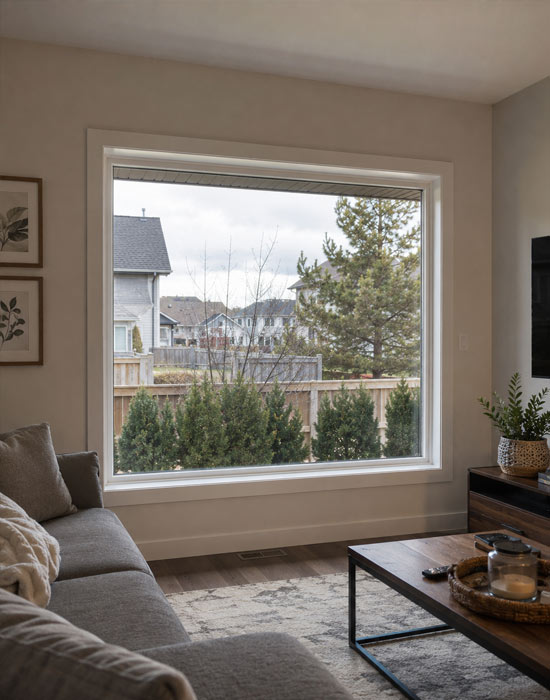
Living Rooms & Great Rooms – Installed as a large central focal point to frame stunning outdoor views and flood primary gathering spaces with abundant natural daylight.
Stairwells & High-Ceiling Foyers – Placed in elevated architectural spaces to maximize vertical light entry where opening sashes are unnecessary and unreachable.
Combination Wall Layouts – Flanked by operable casement or awning units, or stacked above sliding doors, to create custom, multi-panel window walls that balance scenic views with fresh airflow.
Pricing varies based on size, frame material, and the chosen glass configuration. Here’s a general cost guide:
| Window Type | Price Range (CAD) |
|---|---|
| Standard Vinyl (uPVC) | $400 – $900 |
| Wood Window | $850 – $2,100+ |
| Aluminum Window | $550 – $1,150 |
| Installation Labour (per window) | $350 – $900 |
Reach out to a knowledgeable window specialist to outline your visual goals, natural lighting needs, and structural framing preferences.
A technician inspects your property to record exact rough opening dimensions, assess existing wall conditions, and confirm load-bearing stability.
Choose your ideal frame construction, custom dimensions, finishes, and high-performance glass glazing packages tailored to your project requirements.
Your custom window configuration enters production, undergoing precision fabrication to match your exact architectural specifications.
The installation team carefully removes the old window assembly, preps the rough opening, secures and levels the new picture unit, and applies high-grade insulation and weather seals.
Installers complete finishing caulking and trim work, thoroughly clean the glass surfaces, and review warranty documentation and care instructions with you.
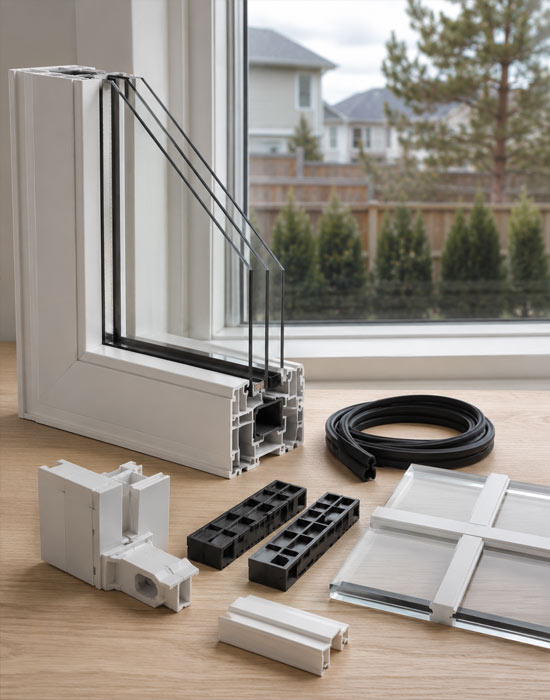
Because picture windows are stationary units without opening sashes, cranks, or hinges, their accessory focus shifts entirely toward structural support, specialized joinery, and specialized aesthetic finishes:
Corner Mullion Posts & Joiners – Specialized structural joining elements designed to securely connect individual picture windows at precise angles for multi-panel glass walls.
Heavy-Duty Setting Blocks – High-density polymer blocks positioned inside the frame channel to evenly distribute the heavy weight of large glass panes and prevent shifting.
Perimeter Weatherseals & Gaskets – High-grade seals placed along the frame perimeter to completely block air, moisture, and thermal transfer.
Decorative Grilles & Simulated Divided Lites (SDL) – Optional grid patterns applied to the glass surface to mimic traditional multi-pane window styles while retaining a single, large pane of glass.
Picture windows deliver grand architectural elegance and unobstructed panoramic views, ideal for homeowners seeking expanded natural light alongside maximum thermal performance. Contact your local window specialist today for a technical evaluation.
| Installation Type | Description |
|---|---|
| Full Frame Replacement | Swaps out the entire window system down to the rough opening, including the framing and brickmould; best for remedying hidden moisture damage or upgrading overall insulation. |
| Retrofit (Insert) Installation | Slides the new picture unit neatly inside your existing sound frame; a faster, cost-effective option that leaves interior trim completely untouched. |
Selecting the proper installation approach comes down to the current structural health of your window openings and your project objectives. If your existing frames display water damage, deterioration, or compromised insulation, a full-frame replacement is necessary to properly seal the rough opening and boost energy performance.
Conversely, if your current frame infrastructure remains structurally sound and weatherproof, a retrofit installation provides a streamlined, non-invasive alternative. This technique protects your existing interior trim and accelerates the upgrade timeline, making it a practical solution for refreshing large fixed windows with minimal construction hassle.
Now that you’ve explored the key aspects of home windows and what to consider before deciding, you’re better prepared to move forward. When you’re ready, check out our vendor directory to connect with local window experts who can help bring your project to life.
Keep learning — explore the most important topics to help you make the right call when the time comes.