
This guide explains how wood windows are built, which wood species are commonly used, how they perform in different climates, what maintenance they require, and where they are best suited.
Home » Window 101 » Window Frame Types » Wood Windows
Wood windows are windows built with solid wood or engineered wood frames. While the insulated glass unit and hardware function similarly to other modern windows, the frame itself is manufactured from natural timber rather than vinyl or aluminum.
Modern wood windows are significantly different from older single-pane wooden windows found in historic homes. Today’s products typically feature insulated double- or triple-pane glass, advanced weatherstripping, low-emissivity (Low-E) coatings, and precision-engineered joinery that improves energy efficiency and weather resistance.
Many premium manufacturers also offer wood windows with aluminum or fiberglass exterior cladding. These hybrid designs preserve the warm appearance of natural wood inside the home while protecting the exterior from moisture, sunlight, and harsh weather.
Wood remains one of the few window materials that can be repaired, refinished, or restored many years after installation, making it an attractive long-term investment for homeowners who value craftsmanship and architectural authenticity.
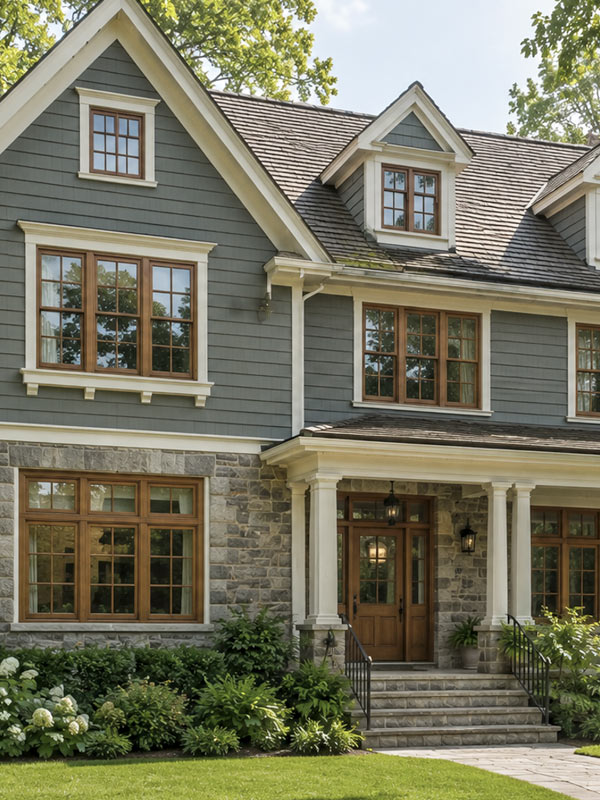
For many homeowners, choosing wood is about far more than energy efficiency. It is a design decision that brings warmth, elegance, and character to a home
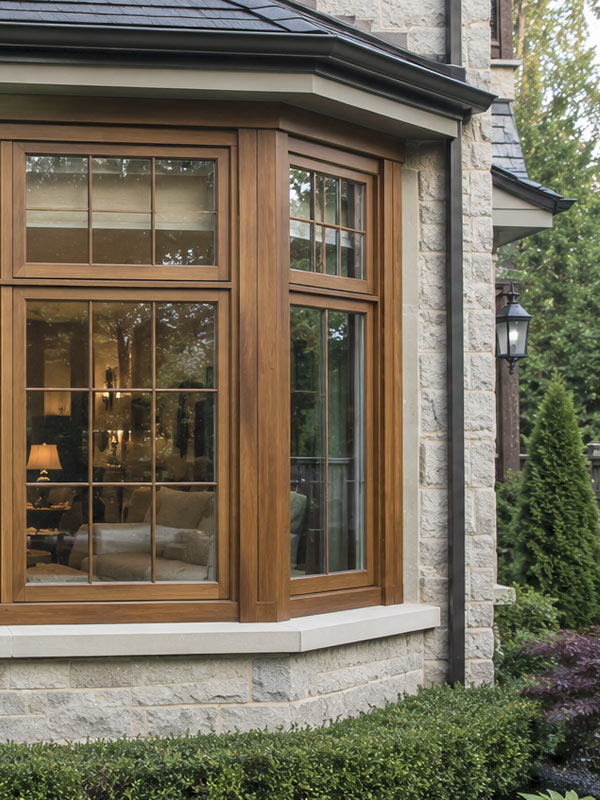
Every piece of wood has its own grain, texture, and color variation, giving each window a unique appearance that cannot be replicated by synthetic materials.
Natural wood complements traditional, transitional, Scandinavian, farmhouse, and luxury interiors. It creates a softer, warmer atmosphere than painted vinyl or metal frames.
Wood windows are often associated with high-end residential construction because they require skilled manufacturing, careful finishing, and precise assembly.
Unlike most vinyl or aluminum frames, wood can often be repaired, sanded, repainted, or refinished decades after installation, helping preserve both appearance and value.
Many heritage properties require wood windows to maintain architectural authenticity. Modern wood windows allow homeowners to improve energy efficiency while preserving the home’s original character.
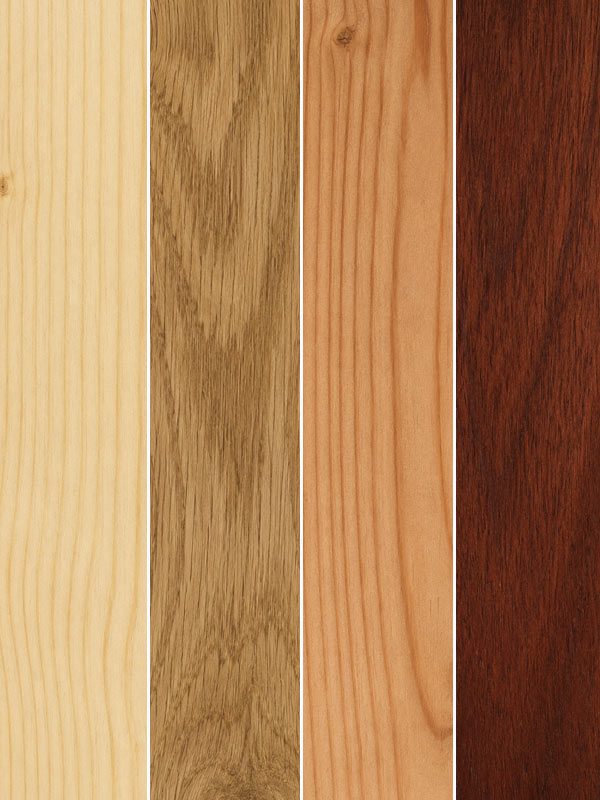
Different wood species offer different levels of strength, durability, appearance, and cost. Manufacturers carefully select wood based on the intended application and desired finish.
Pine is one of the most widely used species for residential wood windows. It is lightweight, easy to machine, accepts paint and stain well, and provides excellent insulation. Because of its affordability and versatility, pine is commonly used in both standard and premium window systems.
Oak is known for its exceptional hardness and distinctive grain pattern. Although heavier than many other wood species, it offers outstanding durability and creates a rich, traditional appearance that is especially popular in luxury homes.
Mahogany is considered one of the premium hardwoods used in custom window manufacturing. Its deep color, fine grain, and natural resistance to moisture make it highly desirable for upscale residential projects and historic restorations.
Douglas Fir is valued for its strength and dimensional stability. Its straight grain and natural resistance to warping make it a popular choice for larger window units and custom architectural projects.
Wood is naturally resistant to heat transfer, making it one of the best insulating materials used for window frames. Unlike metal, wood does not readily conduct heat or cold, helping maintain more consistent indoor temperatures throughout the year.
This natural insulating ability works together with modern insulated glass units, Low-E coatings, and weatherstripping to improve the overall energy performance of the window system.
Wood also feels warmer to the touch during winter than aluminum or other conductive materials. This characteristic can help reduce interior condensation around the frame while improving occupant comfort near the window.
Although frame material is only one factor affecting window efficiency, wood continues to be recognized as an excellent choice for homeowners seeking both comfort and thermal performance.
One of the greatest advantages of wood windows is the ability to customize their appearance. Unlike vinyl, which is manufactured in a finished color, wood can be painted or stained to complement virtually any architectural style.
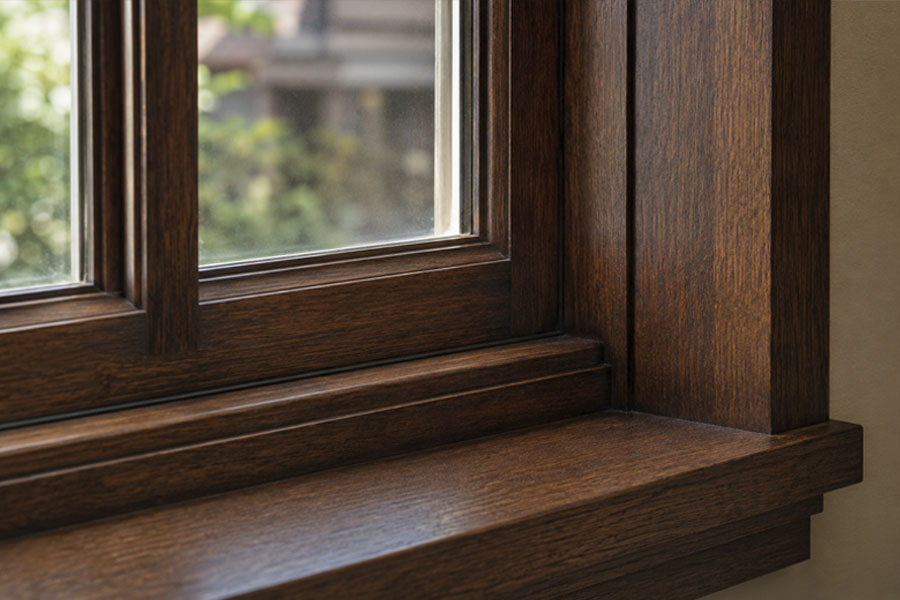
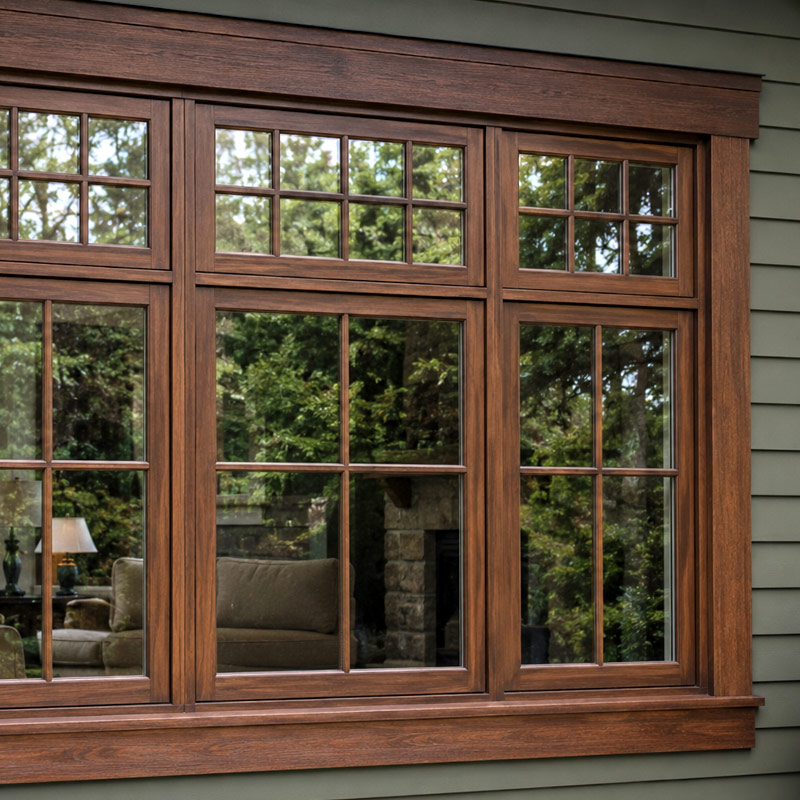
A stain enhances the natural grain while allowing the texture and character of the wood to remain visible. Stained finishes are especially popular in traditional, Craftsman, rustic, and luxury homes.
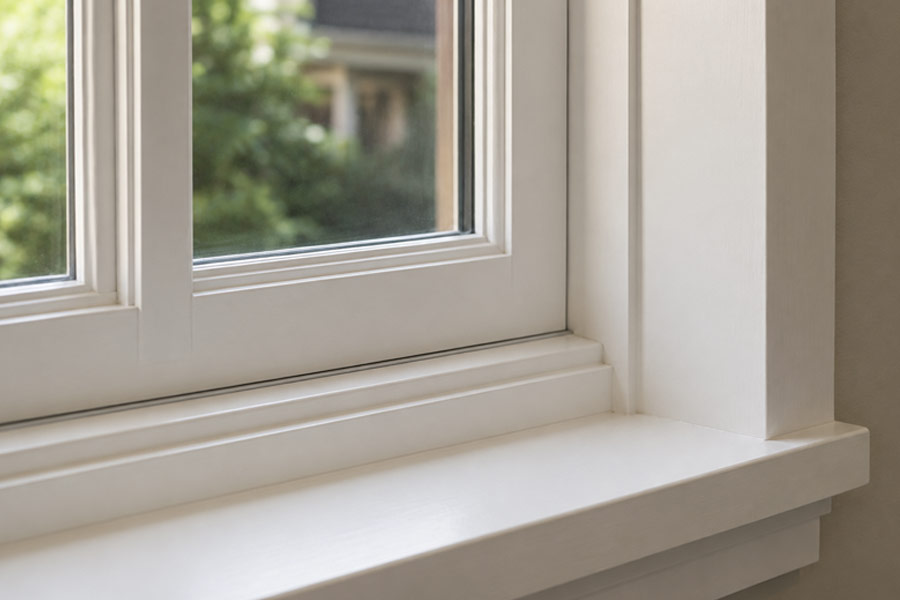
Paint creates a smooth, uniform appearance and offers additional protection against moisture and ultraviolet exposure. White remains the most common color, but virtually any custom color can be applied to match interior trim or décor.
Many premium manufacturers offer factory-finished wood windows. These finishes are applied under controlled conditions and typically provide greater consistency, durability, and weather resistance than field-applied coatings.
Factory finishes also reduce installation time and often include longer finish warranties.
Wood windows require more regular maintenance than vinyl or aluminum, but proper care can significantly extend their service life. Homeowners should inspect wood frames every few years for signs of moisture damage, finish deterioration, or small cracks before they become larger problems.
With routine maintenance, wood windows can remain attractive and functional for many decades.
Simple maintenance checklist for Wood Frame Windows
Like any natural material, wood can be affected by weather and moisture if it is not properly maintained.
Wood windows are often selected for projects where appearance and architectural authenticity are as important as performance. They are particularly well suited for:
With proper maintenance, quality wood windows are among the longest-lasting window frame materials available.
Most well-maintained wood windows can last 40–60 years or more, and many historic wood windows remain functional after several generations of use.
Actual lifespan depends on several factors, including:
Because wood can often be repaired and refinished instead of replaced, many homeowners view it as a long-term investment that retains both performance and architectural value.
Find practical advice, comparisons, and expert resources to help you choose the right windows for your home.
Wood windows are built to last for decades, but like any natural material, they can deteriorate over time if exposed to moisture, sunlight, or insufficient maintenance. Fortunately, many issues can be repaired before they become serious. Recognizing the early warning signs can help extend the life of your windows and prevent more costly repairs in the future.
If parts of the frame feel soft, spongy, or begin to crumble, moisture has likely penetrated the wood. Small areas of rot can sometimes be repaired, but widespread decay may require replacing the affected frame or the entire window.
Paint and stain protect wood from moisture and UV damage. When the finish begins to peel, crack, or fade, the exposed wood becomes vulnerable to weathering. Refinishing the surface early can prevent more extensive damage.
Wood naturally expands and contracts with changes in temperature and humidity. However, if a window consistently sticks, becomes difficult to operate, or no longer locks properly, it may indicate warping, moisture damage, or structural movement.
Feeling cold air around a closed window may indicate worn weatherstripping, deteriorated seals, or movement in the frame. If drafts remain after replacing weatherstripping or making minor adjustments, more significant repairs—or replacement—may be necessary.
Dark stains, mold, mildew, or visible water damage around the frame often signal that moisture is entering the window assembly. Addressing the problem early can help prevent rot and preserve the structural integrity of the window.
Fog or moisture trapped between the panes usually means the insulated glass unit has lost its seal. If the wood frame remains in good condition, it may be possible to replace only the glass rather than the entire window.
Tip: One of the biggest advantages of wood windows is their repairability. Unlike many other frame materials, wood can often be repaired, refinished, or restored. However, if the frame has extensive rot, significant structural damage, or multiple failing components, replacing the window may provide a more durable and cost-effective long-term solution.
Yes. Wood is a natural insulator with low thermal conductivity, helping reduce heat transfer through the frame. When paired with modern double- or triple-pane insulated glass, Low-E coatings, and professional installation, wood windows provide excellent year-round energy performance.
Yes. Modern wood windows are designed to perform well in Canada’s changing weather conditions. High-quality finishes, weatherstripping, and proper maintenance help protect the wood from moisture while providing excellent insulation throughout the year.
There is no single best option for every project. Pine is widely used for its affordability and versatility, Douglas Fir offers excellent strength and stability, Oak is valued for its durability and distinctive grain, while Mahogany is considered a premium hardwood for luxury homes and architectural projects.
For homeowners who value natural materials, architectural character, and long-term durability, wood windows remain one of the most desirable window options available. Although they require more maintenance and typically cost more than vinyl, many people consider their beauty, longevity, and restoration potential well worth the investment.