
Home » Window 101 » Types of Windows for Homes in Canada | Compare Popular Styles
Master the details that matter: evaluate operational mechanisms, compare durable frame structures, and assess high-performance glass options to choose the right window style for your project.
Navigating multiple window styles can quickly become overwhelming, yet most properties require just a targeted selection of practical options based on layout, performance goals, and budget.
This guide cuts through the complexity to identify the window styles that deliver real value for your project. Knowing the fundamentals ensures you can evaluate professional recommendations with confidence and understand why specific rooms demand distinct architectural solutions.
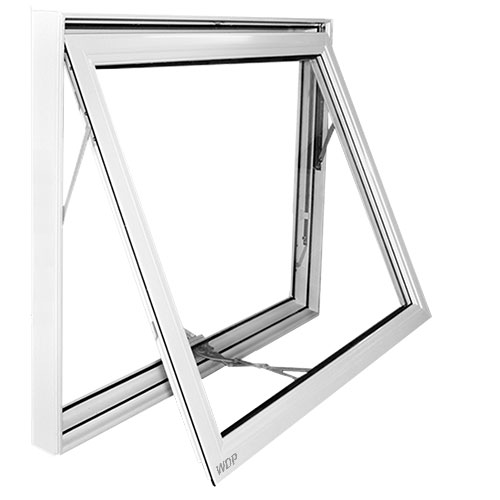
Provides ventilation even during rain
Modern, compact design for tight spaces
Great for high-wall placement or paired with fixed units
From $450
Awning windows are hinged at the top and open outward from the bottom, creating a small roof-like awning when open. This design allows you to keep the window open even during light rain, making it ideal for bathrooms, basements, or kitchens where ventilation is needed year-round.
The sash pushes outward from the bottom, directing airflow upward while keeping out precipitation. It also adds a modern, functional look to any room and works well when placed high on a wall for privacy and security.
Typical Location: Bathroom, basement, kitchen
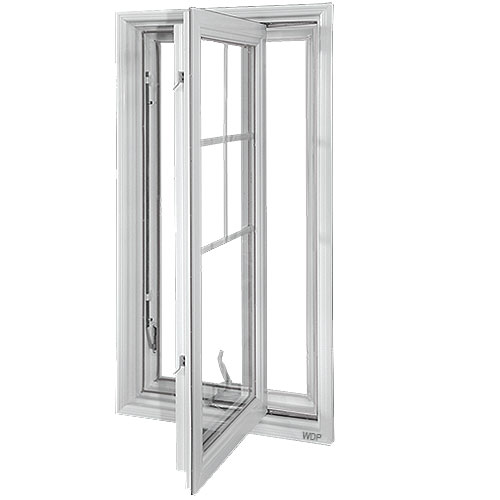
Maximum airflow across the entire window opening
Superior airtight seal and energy efficiency when locked
Unobstructed, clear outdoor views with no center vertical bar
From $450
Casement windows are side-hinged units that crank outward like a door, delivering maximum, unobstructed airflow and an airtight compression seal against drafts. When closed, the locking mechanism presses the sash tightly against the frame, providing exceptional energy efficiency and security.
This style is a favorite for bedrooms and living spaces where full-opening ventilation and clear outdoor views are a priority. Their clean lines also complement both modern and traditional architectural designs.
Typical Location: Bedrooms, living rooms, kitchens
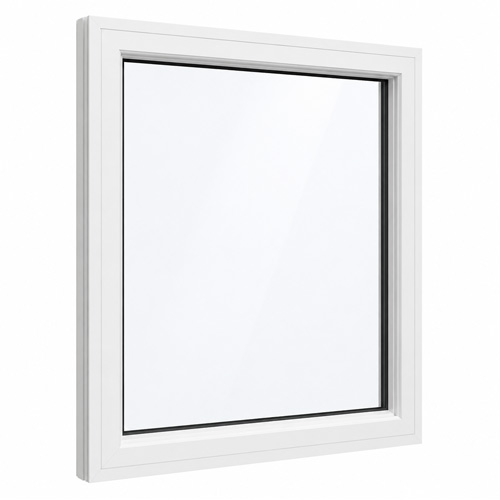
Maximum natural light and uninterrupted panoramic views
Superior energy efficiency with zero operational air leaks
Highly customizable shapes, sizes, and architectural designs
From $400
Fixed windows are stationary, non-opening units designed specifically to maximize natural light and showcase panoramic outdoor views. Because they lack moving sashes, mechanical cranks, or operational hardware, they offer superior structural integrity and a completely airtight seal against air and moisture infiltration.
This style is ideal for high-ceiling great rooms, stairwells, or architectural feature walls where ventilation is unnecessary but daylight is a priority. They are also frequently paired alongside operational styles like casement or awning windows to create expansive, multi-panel window configurations.
Typical Location: Living rooms, entryways, high walls, great rooms
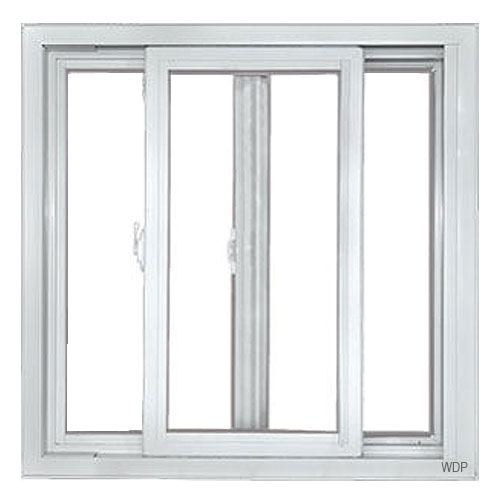
Space-saving horizontal operation with zero exterior or interior clearance required
Smooth, low-maintenance gliding mechanism with no mechanical cranks or gears
Wide, expansive glass area for great natural light and views
From $400
Slider windows feature horizontal sashes that glide smoothly along top and bottom tracks, making them an effortless, space-saving choice for rooms facing walkways, patios, or tight exterior areas. Because they open side-to-side without protruding outward or inward, they require zero clearance space inside or outside your home.
This reliable design offers wide, unobstructed outdoor views and reliable natural ventilation. They are especially popular in modern builds, wide wall openings, and spaces where a traditional crank handle is impractical.
Typical Location: Bedrooms, living rooms, basements, rooms near patios or walkways
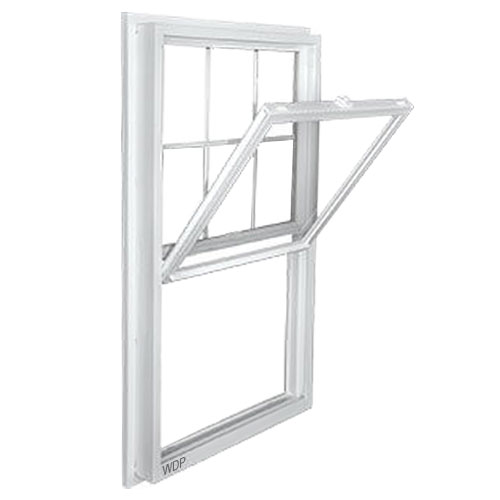
Classic, timeless aesthetic that complements traditional architecture
Vertical operation that requires zero exterior or interior clearance space
Tilt-in sashes for quick, safe, and easy cleaning from inside the house
From $450
Hung windows feature vertical sashes that slide up and down within the frame, offering a timeless, traditional look combined with modern performance. Depending on the specific configuration, either just the bottom sash operates or both the top and bottom sashes move independently to optimize airflow and indoor comfort.
This classic style provides reliable ventilation while keeping the window profile flat against the wall, meaning it will never protrude into indoor living spaces, walkways, or exterior patios. Modern versions also include a convenient tilt-in mechanism, allowing you to clean the exterior glass panes safely from the inside of your home.
Typical Location: Bedrooms, traditional home styles, street-facing rooms, living areas
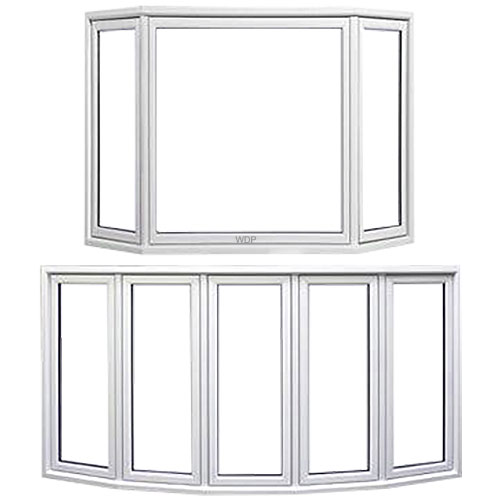
Dramatic curb appeal and architectural elegance that elevates the entire home exterior
Expansive multi-angle views and maximum natural sunlight throughout the day
Creates valuable interior space and deep window sills for reading nooks or decor
From $1,200
Bay and bow windows are expansive architectural combinations that project outward from the exterior wall, creating a stunning focal point while adding extra interior floor space, depth, and natural light to a room. A bay window typically features three angled panes (often a large central fixed picture window flanked by operating casements or double-hungs), while a bow window incorporates four or more curved panels to create a graceful, rounded radius.
This dramatic configuration floods your living space with sunlight from multiple angles, creates deep interior sills perfect for seating or plants, and significantly enhances your home’s exterior curb appeal.
Typical Location: Living rooms, dining rooms, master bedrooms, front-facing architectural walls
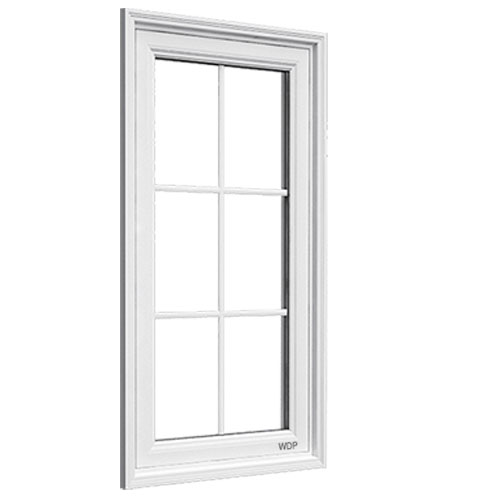
Maximum natural light and uninterrupted, crystal-clear outdoor views
Superior energy efficiency with zero operational air leakage points
Structural versatility to be built in custom geometric shapes and large spans
From $400
Picture windows are large, stationary glass installations engineered to frame breathtaking outdoor views and flood your living spaces with unobstructed natural light. Because they do not open or close, they provide a completely airtight, weather-tight barrier that eliminates drafts and maximizes your home’s thermal efficiency.
This style serves as a striking architectural centerpiece, transforming exterior scenery into live wall art while keeping heating and cooling costs under control. They are frequently installed as standalone focal points in high-ceiling rooms or combined alongside operational styles like casement and awning windows for balanced ventilation and panoramic impact.
Typical Location: Living rooms, dining rooms, stairwells, great rooms, scenic view walls
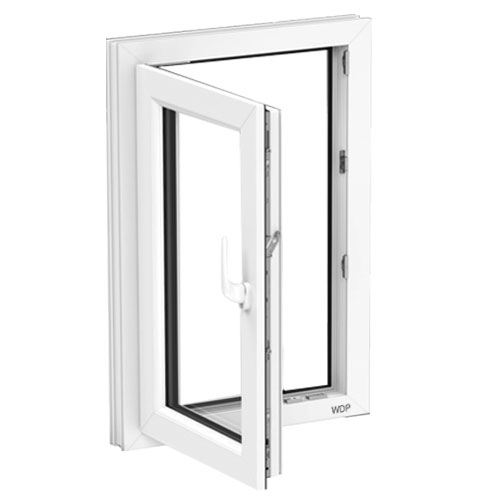
Dual-action operation providing secure top-tilt ventilation or full inward swing
Exceptional airtight seal and energy efficiency when locked shut
Easy and safe interior cleaning for upper-level or multi-story installations
From $600
Tilt and turn windows offer dual-action European engineering, operating as a secure hopper style when tilted inward from the top for gentle ventilation, or swinging inward like a door on side hinges for maximum airflow and emergency egress. This versatile two-in-one mechanism delivers exceptional architectural flexibility, high security, and superior thermal performance.
When locked in place, the heavy-duty compression seals provide an airtight barrier against drafts and moisture. Their wide-opening interior swing also makes cleaning multi-story or upper-floor exterior glass exceptionally safe and easy from inside the room.
Typical Location: Modern homes, high-rise apartments, bedrooms, urban living spaces
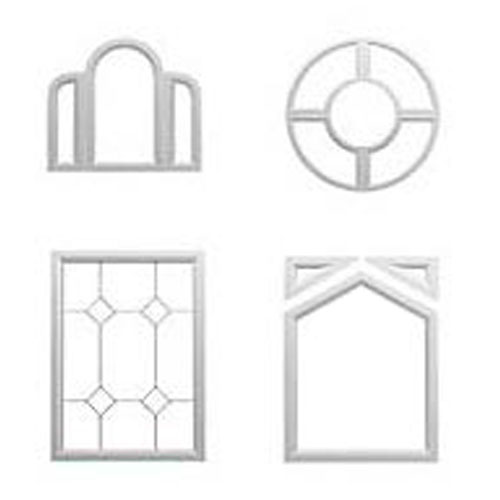
Fully customizable shapes and sizes to match unique architectural designs
Dramatically enhances exterior curb appeal and interior high-end aesthetics
Maximizes natural light in high walls, gables, and complex architectural spaces
From $800
Architectural windows are custom-designed, non-operating stationary units crafted in unique geometric shapes such as arches, circles, triangles, trapezoids, and sweeping curves to give your home a distinct signature look. These specialty windows are engineered to fit custom wall openings, turning ordinary structural spaces into striking visual features.
While they do not open for ventilation, they excel at flooding hard-to-reach areas with natural light and accentuating high ceilings, cathedral walls, or complex rooflines. They can be installed as standalone statement pieces or neatly combined above standard operating windows to add height, elegance, and dramatic architectural flair.
Typical Location: Cathedral ceilings, custom entryways, stairwells, living room feature walls, gables
| Room | Recommended Window Types |
|---|---|
| Living Room | Picture, Casement, Bay & Bow |
| Bedroom | Slider, Hung, Tilt and Turn |
| Kitchen | Casement, Awning, Sliding |
| Bathroom | Awning, Hopper |
| Basement | Awning, Hopper, Tilt and Turn |
| Entryway / Hal | Architectural, Picture |

Beyond the glass itself, your choice of frame material determines overall thermal performance, durability, and daily maintenance. Modern Canadian homes typically choose between three core options, each tailored to different architectural styles and budgets:
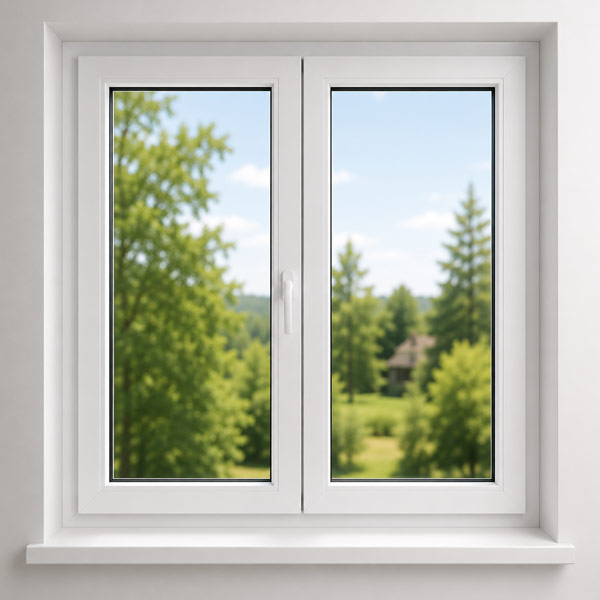
Holding the top spot across Canada, uPVC vinyl frames deliver a brilliant mix of high-grade thermal efficiency and effortless upkeep. Engineered with multi-chamber structural profiles, they lock in heat, completely block moisture, and eliminate the need for painting or scraping making them the go-to option for lasting value.
Best for:
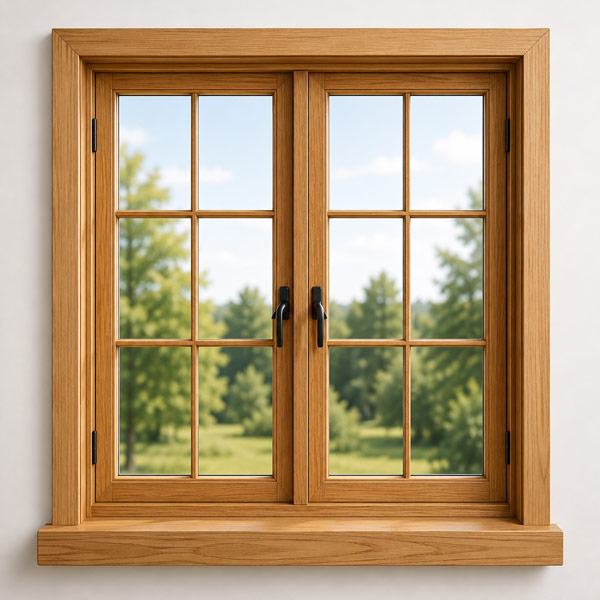
Prized for their organic richness, comforting warmth, and classic aesthetic, wood frames bring an unmatched level of elegance to a property. Their natural cellular structure delivers superb thermal insulation, and the ability to sand, paint, stain, or restore them over the years ensures they remain a favorite for upscale custom builds and historic restorations.
Best for:
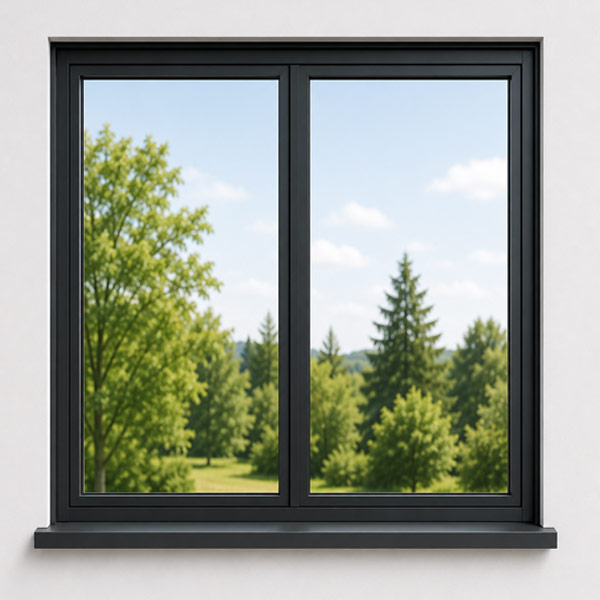
Renowned for unmatched structural rigidity and minimalist sightlines, aluminum frames make expansive glass expanses and sleek, contemporary aesthetics possible. Equipped with modern thermal break technology, today’s aluminum profiles significantly boost energy retention while keeping the sharp, industrial lines that define modern architecture.
Best for:
These performance upgrades do more than just boost household comfort; they directly shape the overall scope and investment of your window replacement project. Depending on your local weather conditions and energy goals, certain features serve as absolute essentials, while others offer valuable customized enhancements.
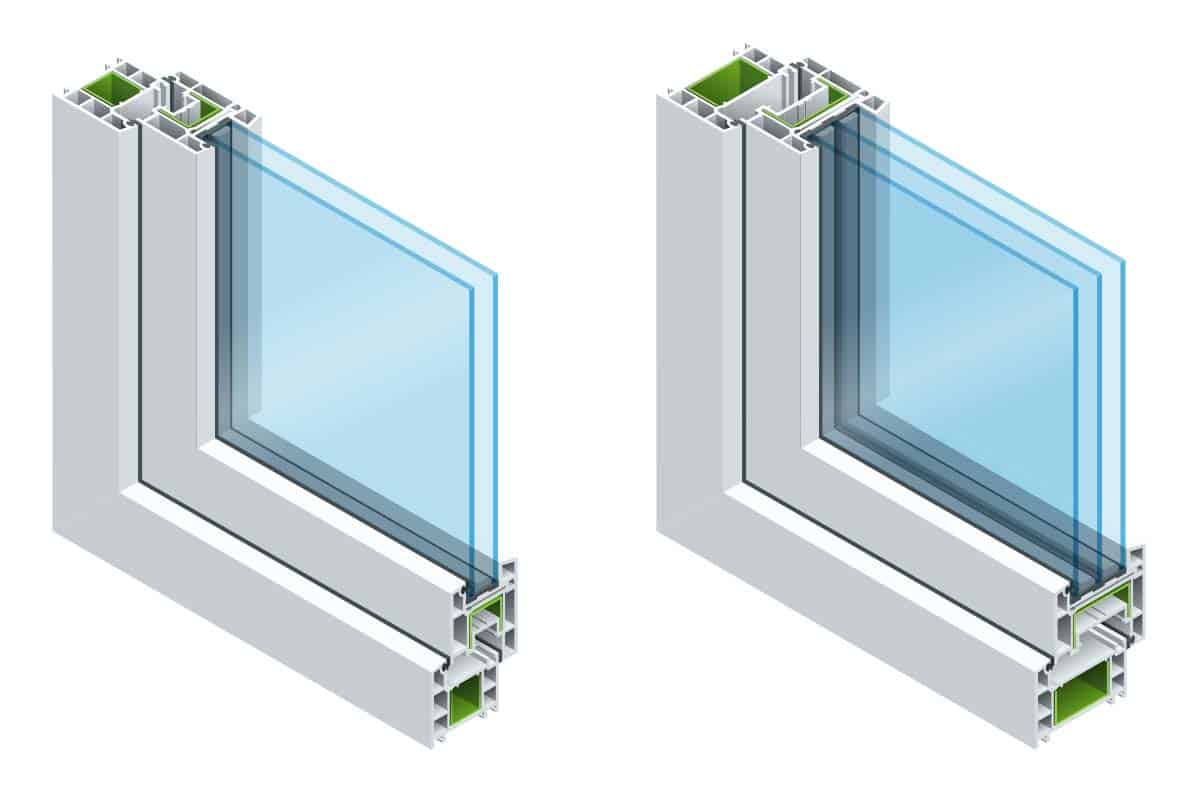
Cost Addition: +$100 – $200 per window
Multi-pane configurations have become the baseline expectation for energy-conscious properties. Featuring double- or triple-layer glass assemblies, they trap thermal barriers that dramatically cut down exterior noise and stabilize indoor temperatures. While each additional pane increases upfront costs, the payoff in climate control and structural efficiency is substantial particularly during freezing Canadian winters.
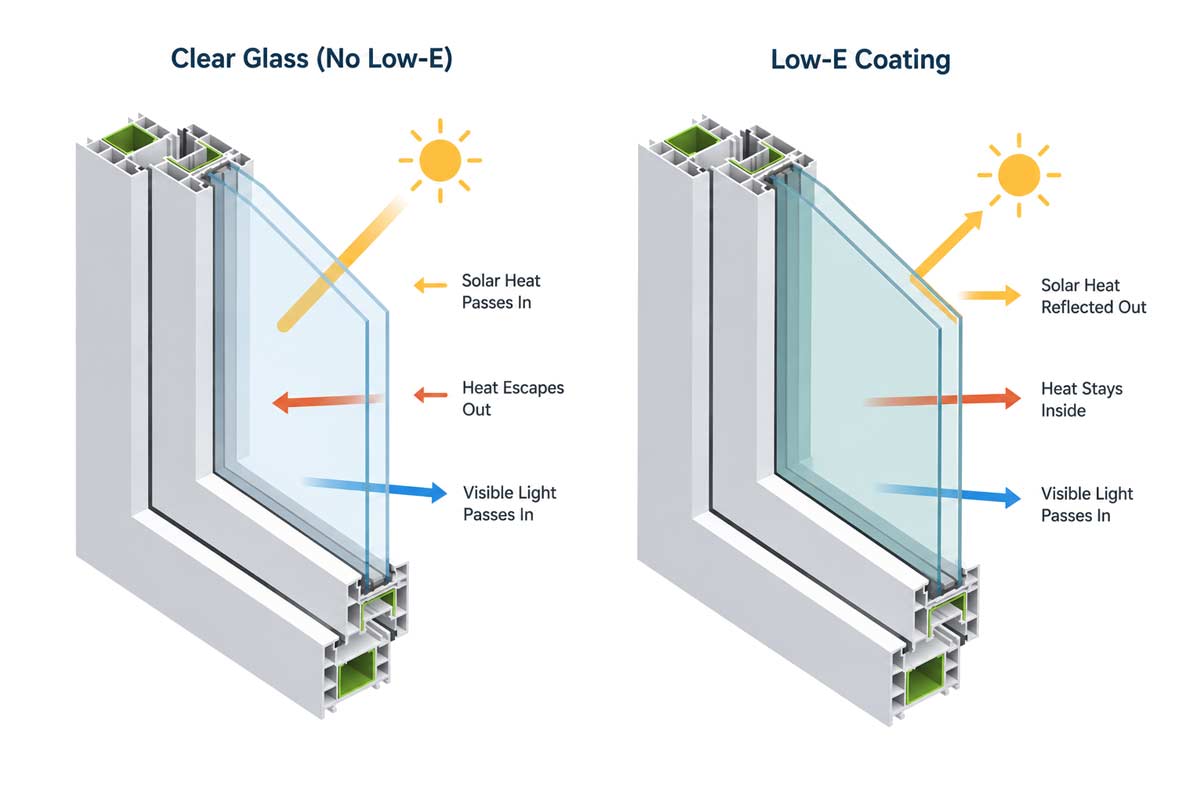
Cost Addition: +$50 – $100 per window
Low-E (low-emissivity) technology utilizes microscopic, transparent metallic layers bonded to the glass to reflect UV rays and infrared heat. This invisible shield keeps your home cooler in summer and warmer in winter, protecting interior upholstery and flooring from sun bleaching while driving down HVAC utility bills. It remains one of the highest-return, cost-effective upgrades available.
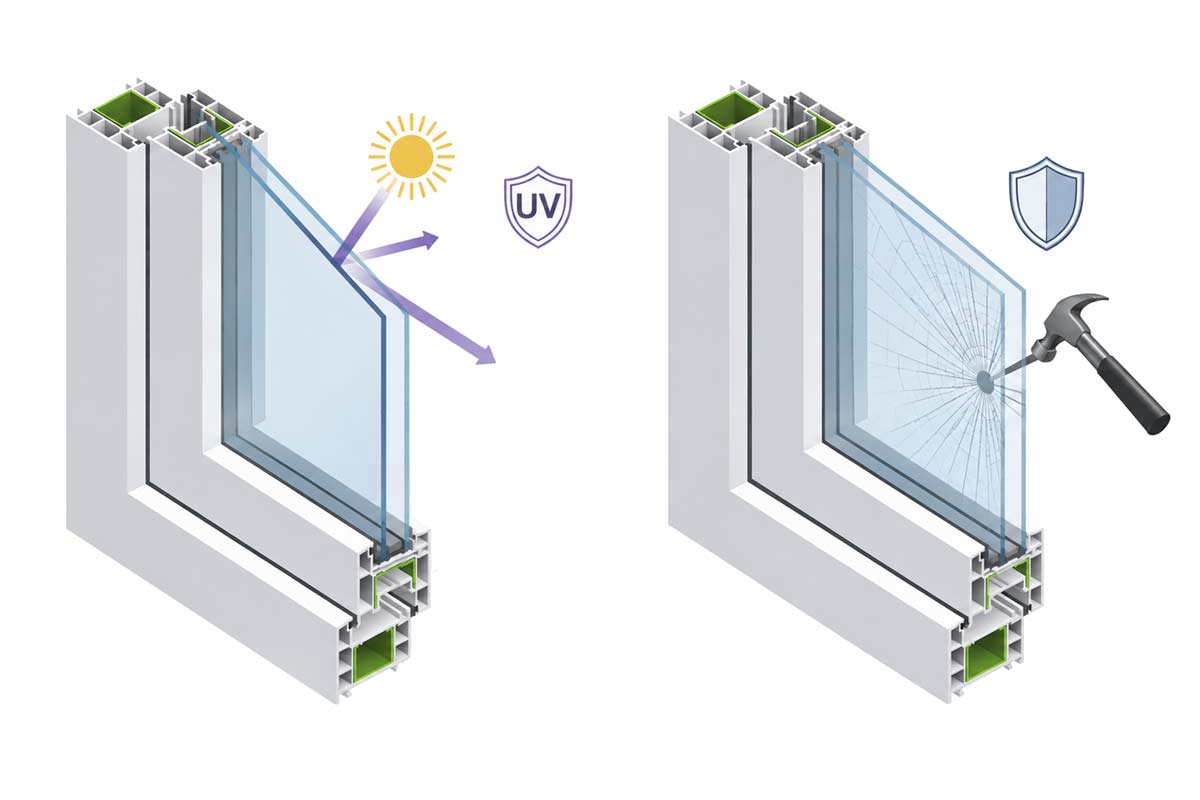
Cost Addition: +$50 – $150 per window
Applied directly onto the glass surface, these specialty films serve dual defensive purposes. Ultraviolet films block lingering rays to protect interior decor, whereas security variations reinforce the pane against sudden impacts, severe weather, or forced entry attempts. They are especially practical for street-facing rooms, high-sun exposure walls, or urban ground-floor installations.
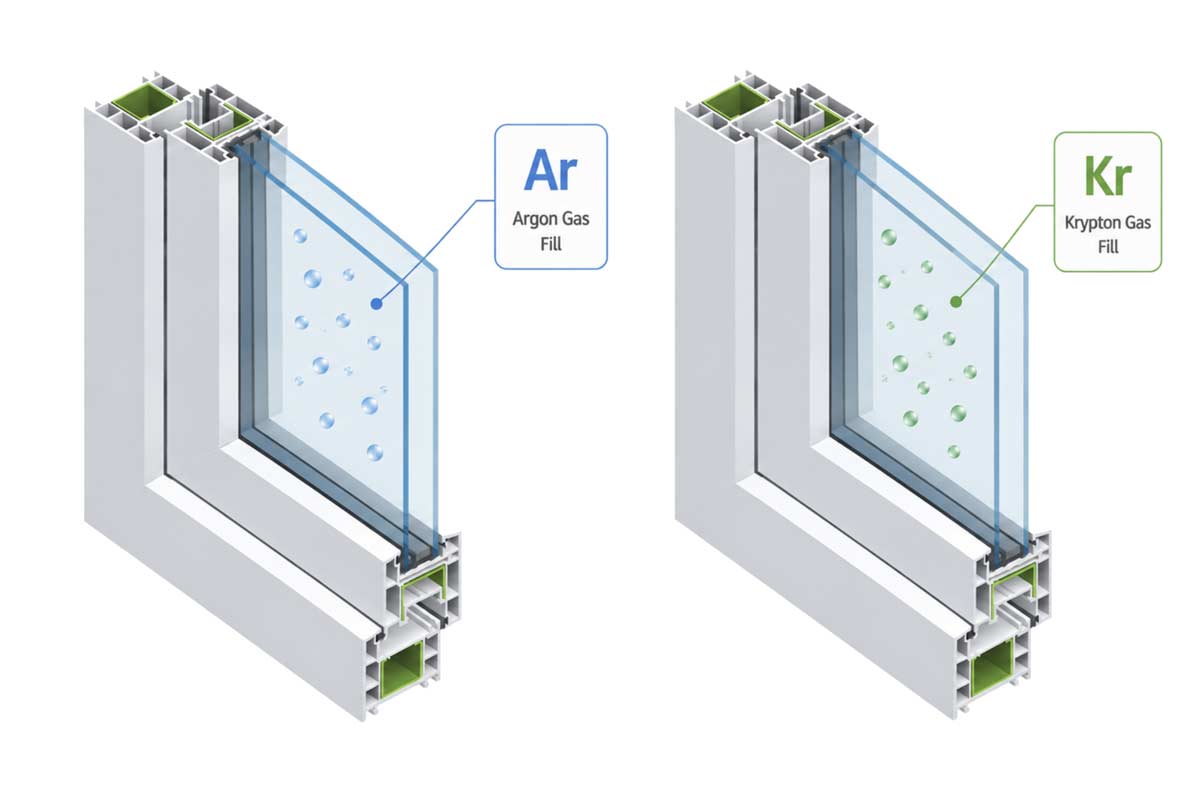
Cost Addition: +$40 – $90 per window
To minimize conductive heat loss between sealed glass panes, manufacturers fill the cavity with dense, inert noble gases. Argon is widely accessible and budget-friendly, whereas krypton provides superior thermal resistance in narrower spaces at a higher price tier. Completely non-toxic and invisible, these gas fills are crucial for achieving peak energy ratings.
The sheer number of windows in your project dictates much of the final price tag influencing material production, specialized handling, and labor logistics. Naturally, oversized units or complex custom geometries carry a higher price than standard sizes.
However, project volume plays another critical role: many established contractors enforce minimum order thresholds (often 5 to 7 windows) and will decline smaller, standalone jobs.
If you only need to replace one or two windows, your typical options include:
Sourcing a stock unit from a major retailer like Home Depot, Lowe’s, or RONA for DIY installation (rarely advised for structural airtightness).
Hiring an independent contractor who can bundle your small project into a larger local schedule, though per-unit labor rates will likely stay elevated.
Viewing it as a chance to coordinate a whole-house upgrade, which often unlocks contractor bulk discounts and delivers uniform energy performance across your entire property.
Window replacement costs vary based on your chosen style and the exact dimensions of each opening. Below is a breakdown of typical installed price ranges organized by window type and standard sizing:
| Window Type | Small (15 – 25 sq ft) | Medium (25 – 40 sq ft) | Large (40 – 60 sq ft) | Extra Large (60+ sq ft) |
|---|---|---|---|---|
| Casement Window | $400 – $600 | $500 – $700 | $600 – $900 | $800 – $1,200 |
| Sliding Window | $300 – $500 | $400 – $600 | $500 – $800 | $700 – $1,000 |
| Picture Window | $500 – $700 | $600 – $900 | $800 – $1,200 | $1,000 – $1,500 |
| Double Hung | $300 – $500 | $400 – $600 | $500 – $800 | $700 – $1,000 |
| Bay & Bow Windows | $1,500 – $3,000 | $2,000 – $4,000 | $2,500 – $5,000 | $3,500 – $6,500 |
Selecting the ideal windows for your property comes down to balancing daily functionality, architectural style, and long-term energy savings. Whether you prefer the sleek, minimalist lines of contemporary casements, the traditional charm of hung sashes, or the dramatic impact of a sweeping bay window, mixing different styles can enhance both your home’s interior ambiance and exterior curb appeal.
Take time to evaluate which rooms need maximum ventilation, where you want to flood the space with natural light, and how frame materials and energy-efficient glass packages will perform against local weather conditions. Coordinating these choices thoughtfully ensures your investment delivers lasting comfort, beauty, and value for years to come.
Ready to Take the Next Step?
Now that you’ve explored the key aspects of home windows and what to consider before deciding, you’re better prepared to move forward. When you’re ready, check out our vendor directory to connect with local window experts who can help bring your project to life.
Still Comparing Your Options?
If you’re still exploring window options, these guides can help you go deeper into materials, pricing, and installation methods.